
Child car seats and car equipment
An appropriate car seat is required in France for any child under ten travelling by car. This selection covers all the equipment: the seats themselves, from newborn carriers to booster seats for schoolchildren, Isofix bases that stay fitted in the car, and accessories that make the journey more relaxing, from a viewing mirror to a sunshade.
Safely strapped in, from the maternity ward to school.
What the law says about children travelling by car
The Highway Code requires children under ten to travel in an approved child restraint that is suitable for their height and weight. They must sit in the back, except in cases set out in the Code, such as when the vehicle has no rear seats or the rear seats are already occupied by other children. A rear-facing seat can only be fitted in the front if the passenger airbag is switched off.
Since September 2024, only seats approved under European regulation R129 can be sold; seats bought before then under R44 can still be used if they are R44/03 or R44/04 models.
Car seats, bases and accessories
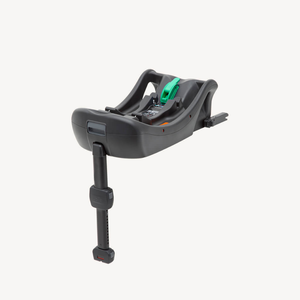
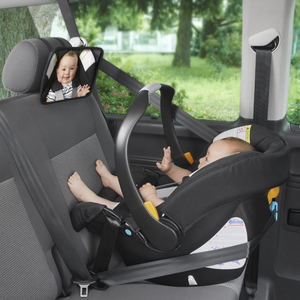
The car seats page groups models by stage, from newborn carriers to seats that grow with your child over several years. Car seat bases are for parents who want to click the carrier into place in one easy step, with the base staying fixed in the car. Finally, car accessories bring together items for use with the seat: mirrors to keep an eye on your baby, sunshades, seat protectors and covers.
Isofix or seat belt: two ways to secure a seat
The Isofix system connects the seat to the car body using two metal anchor points between the seat and backrest of the rear seat, along with an anti-rotation device: a support leg that rests on the floor, or a top tether strap attached behind the backrest. It is fitted in almost all modern cars and helps prevent the installation mistakes that are common with seat belts.
Fitting with a three-point seat belt is still an option in an older vehicle or on a seat without Isofix: the belt must follow the seat’s coloured guides exactly — blue for rear-facing installation and red for forward-facing — then be tightened so there is no slack.
The most common installation mistakes
- A harness that is too loose: once the child is strapped in, you should not be able to pinch the strap between two fingers at collarbone level.
- A thick winter coat under the harness: the padding compresses in a crash and leaves slack. Take it off and place a blanket over the straps instead.
- Switching to forward-facing too soon: R129 requires children to travel rear-facing until at least 15 months, and many child safety experts recommend keeping them rear-facing until they are four, if the seat allows it.
- A seat belt that crosses the child’s neck or stomach when they are sitting on a booster seat, instead of the middle of the shoulder and the top of the thighs.
Getting your car ready at the right time of year
A car seat should be prepared before your baby is born or before they outgrow their current seat, and key shopping periods can help you plan this important purchase. Black Friday baby and childcare deals are well timed if you’re expecting a baby in winter, while the festive season is a good time for grandparents to give a base or accessory. The winter baby and childcare sales, the spring French Days and then the summer sales all come before the big holiday getaway, while the start of the school year often marks the move to a booster seat. New baby and childcare products showcase the latest models.
Frequently asked questions
Is a second-hand car seat a good idea?
Only if you know its history: a seat that has been in an accident must be replaced, even if there is no visible damage, as its shell may have cracked. Also check the approval label, that the instructions are included and that the straps are in good condition before accepting it.
Can you fit three car seats across the back seat?
It depends on the width of the back seat and how many positions have Isofix, which is often limited to the two outer seats. Measure the back seat and compare it with the width of the seats: the narrowest models can sometimes fit three across.
Where is the safest place for a child in the car?
The middle rear seat is furthest from the doors in a side impact, but it does not always have Isofix or a three-point seat belt. A properly fitted Isofix seat on one of the outer rear seats is better than a poorly secured seat in the middle.
When should I buy a car seat during pregnancy?
Plan to buy it a few weeks before your due date: you’ll need the carrier as soon as you leave the maternity unit, and you’ll need time to try it in the car. Fitting it without the baby first gives you time to adjust the harness and find the belt guides without rushing.
Does a car seat have an expiry date?
Manufacturers often give a recommended period of use, sometimes moulded into the shell or listed in the instructions. Plastic ages in the heat and UV rays of a car left in the sun, so it’s best to replace the seat once this period has passed.













