
Geox for children: the shoe that breathes
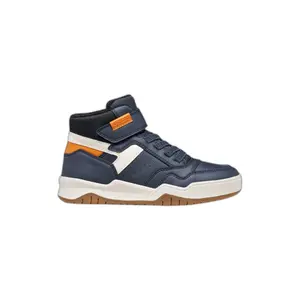
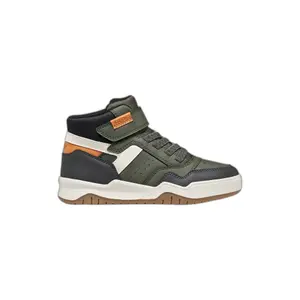
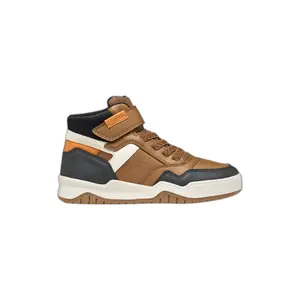
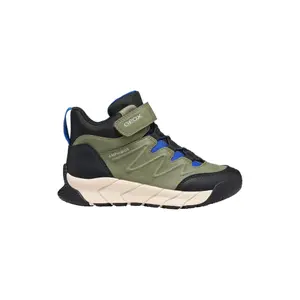
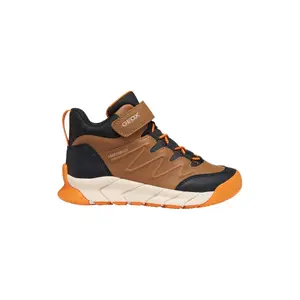
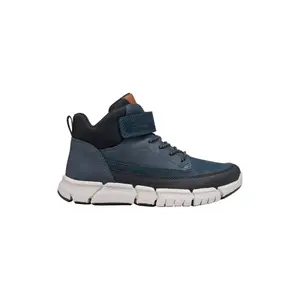
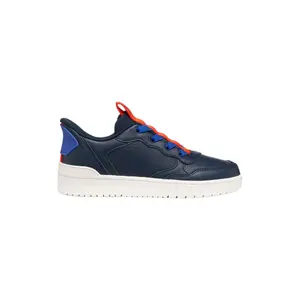
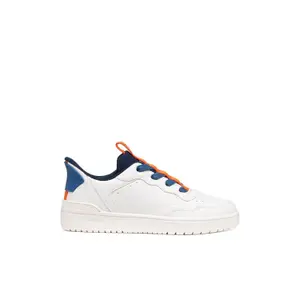
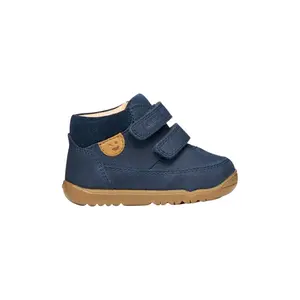
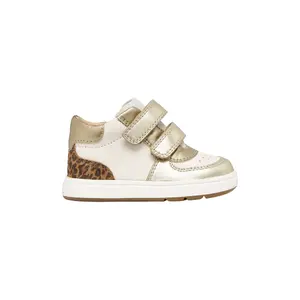
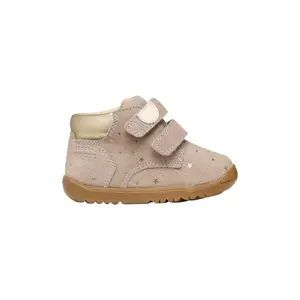
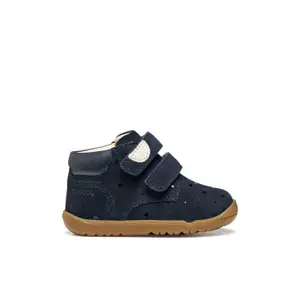
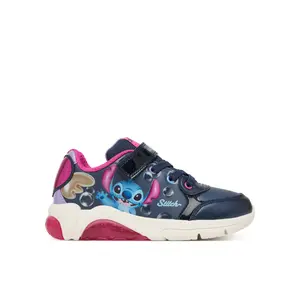
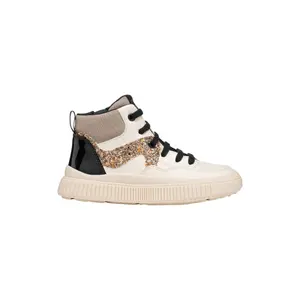
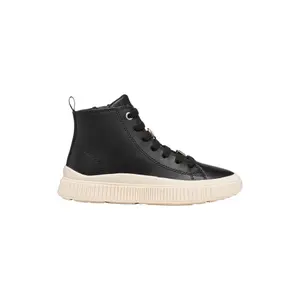
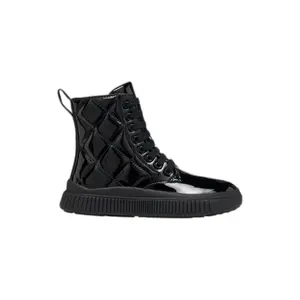

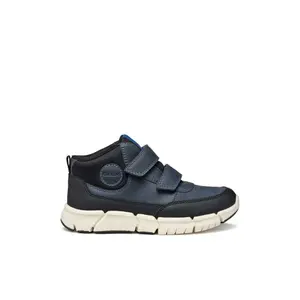
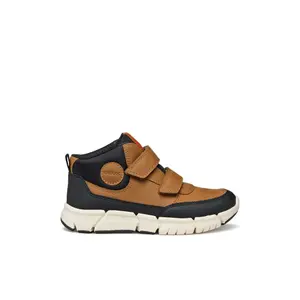
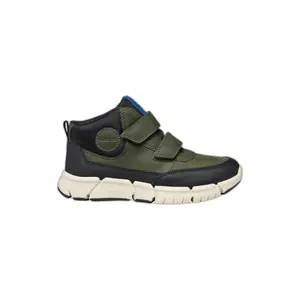
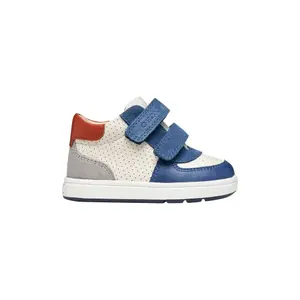
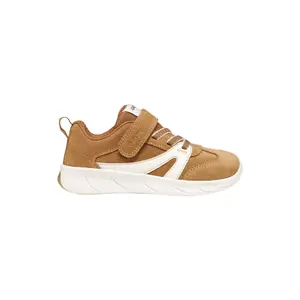
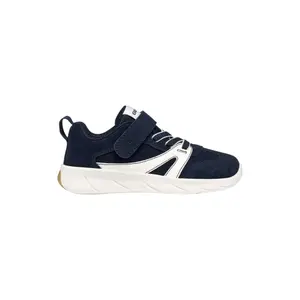
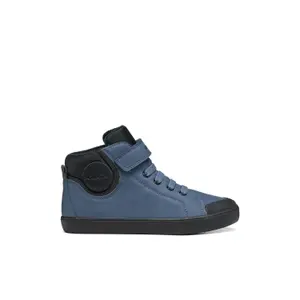
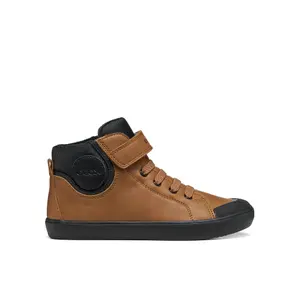
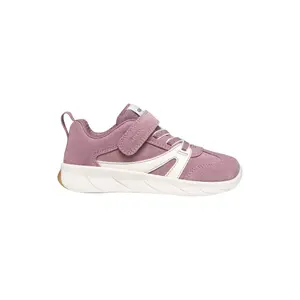
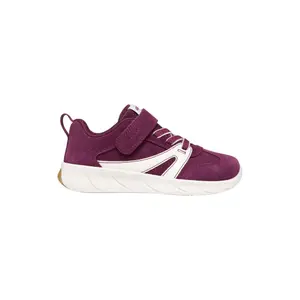
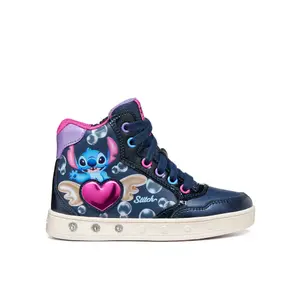
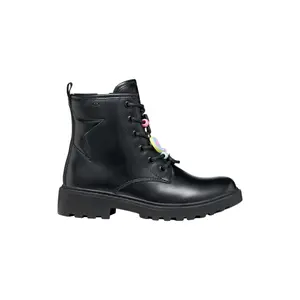
At the end of November, Black Friday kicks off the festive shopping season. Geox children’s shoes are a natural fit: trainers for school, boots such as the Casey for winter and sandals for warmer days, all built around the breathable sole that made the Italian brand famous.
Dry feet, from the playground to a stroll.
How does the Geox breathable sole work?
The idea is said to have come from a walk in the Nevada desert: Mario Moretti Polegato, whose feet were hot, supposedly made holes in the rubber soles of his shoes. He then patented a perforated sole paired with a membrane that lets perspiration vapour escape while keeping water out, and launched Geox in 1995 in Montebelluna, near Treviso.
Less well known is that the brand’s very first collection was for children. For a schoolchild who wears their shoes from morning to evening, keeping their feet dry helps reduce rubbing and odours.
Other children’s brands on Black Friday
Each brand has its own range. Kickers offers ankle boots and first-walker shoes, Victoria has vulcanised canvas trainers, adidas has sports trainers, and Crocs has lightweight clogs. Reima has children covered for the snow, while the Joie range is for the car and walks.
What Geox size for a child?
Parents’ feedback varies: some find that Geox shoes come up slightly large, while others find they are true to size, depending on the model. So measure your child’s foot at the end of the day, while they’re standing and wearing the socks they’ll use with the shoes, then compare the measurement with the brand’s size guide.
Allow around a centimetre of room in front of the big toe, so the foot can move without the shoe slipping. For first steps, choose a flexible style that supports the ankle; for school, a hook-and-loop fastening lets children put their shoes on by themselves. Check the size every three months or so for younger children, whose feet grow quickly.
Geox trainers, ankle boots or sandals: which pair for which occasion?
Trainers from Geox can be worn all year round, at school and in the park, and some styles come in a waterproof version for rainy days. In winter, ankle boots, such as the Casey style for girls, cover the ankle and offer better protection from the cold and puddles.
In warmer weather, sandals with hook-and-loop fastenings keep the foot secure, with a closed toe for children who run around and bump into things. Whatever the style, let shoes air-dry away from a radiator after a wet day: direct heat makes leather stiff and weakens the bonded parts.
Geox children’s shoes: key shopping dates throughout the year
Black Friday comes just in time to buy winter ankle boots, before the festive season. The winter sales extend the shopping season, the spring French Days herald lightweight trainers, the summer sales bring sandals, and the back-to-school season is the time to find the right size for school. Special offers are available the rest of the year.
Frequently asked questions
Can you machine-wash Geox shoes?
It’s not recommended: water and the washing machine drum can damage the membrane and the bonds in the sole. Instead, clean the upper with a soft brush and a little soapy water, and remove the insole to dry it separately.
Are Geox shoes waterproof?
Not all of them: the breathable sole lets perspiration escape, but only styles described as waterproof can really keep out puddles. Check the product details before choosing a pair for rainy days.
How can you tell if Geox shoes have become too small?
Press your thumb against the toe of the shoe while your child is standing: you should feel some space in front of the big toe. Red marks on the top of the foot, or a child taking their shoes off as soon as they get home, are also signs.
How long does a pair of children’s Geox shoes last?
For a child, foot growth matters more than wear and tear: a pair is often too small before it gets worn out. A pair that’s still in good condition can be passed down to a younger sibling, with a new insole.
Is a breathable sole enough to stop feet sweating?
It helps a lot, but it’s not enough on its own: cotton or wool socks changed every day, and a pair of shoes left to dry overnight between wears, help too. Avoid synthetic socks, which trap moisture against the skin.