
Children’s tableware for home, nursery and school
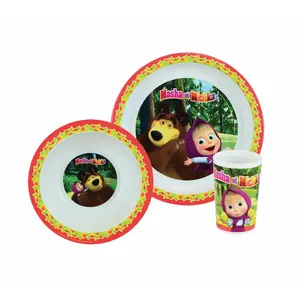


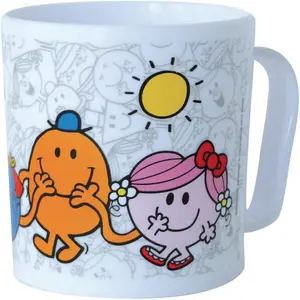


Starting at €24.90
€12.23

Starting at €35.40
€13.76

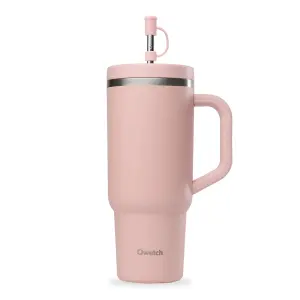
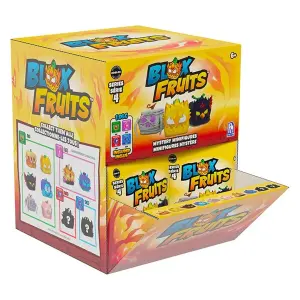

Starting at €41.70
€19.33


Starting at €17.70
€8.40


Starting at €40.35
€18.71


Children’s tableware adapts to every age: a suction bowl and soft spoon for first purées, a divided plate and training cup for learning to eat independently, then a water bottle, tumbler and lunch box for school. Done by Deer, Fabelab, Klean Kanteen, Qwetch, A Little Lovely Company and 3 Sprouts design these styles for little hands.
Mealtimes made for children.
Silicone, stainless steel or plastic: materials for children's tableware
- Food-grade silicone, flexible and shatterproof, is used for Done by Deer suction bowls and plates: it is heat-resistant and easy to clean.
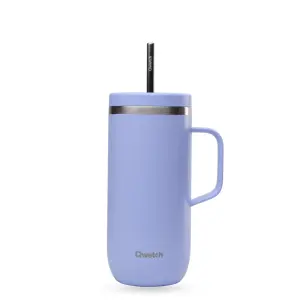
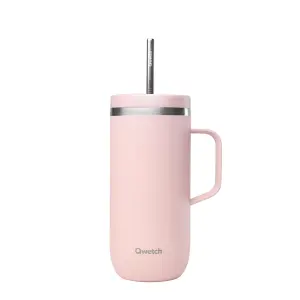
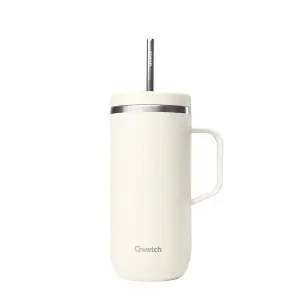
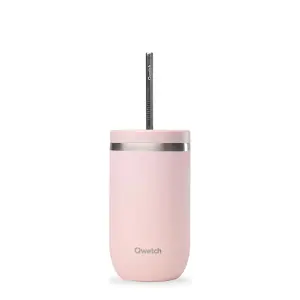
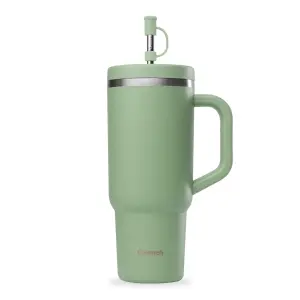
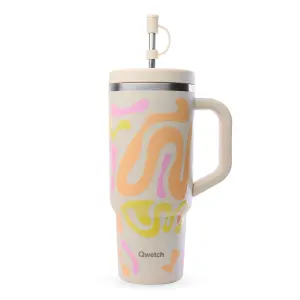
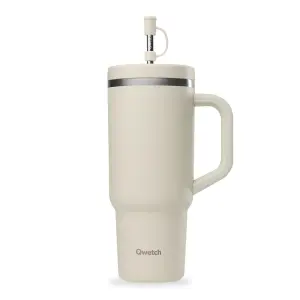
- Stainless steel, chosen by Klean Kanteen for its children's cups and by Fabelab and Qwetch for their water bottles, retains no taste or smell and lasts for years; double-walled, it keeps drinks at the right temperature.
- BPA-free plastic, lightweight and colourful, is used in particular for 3 Sprouts water bottles, ideal for little ones who carry their own bag.
- Glass is used for some containers. It can go in the microwave but is heavy and fragile, so save it for older children.
Water bottles, bowls, sets: finding the right container
There’s a page for every use. The tableware set brings together a plate, bowl, cup and cutlery in one box, ideal for a new baby or a birthday, while the bowl can be bought on its own, with a suction base or compartments. Cups help children move on from a bottle to a cup, while water bottles go with them to school, sports and on outings. For lunch away from home, the lunch box carries cold food and the thermos keeps soups and meals warm. Beakers and accessories are grouped under other products.
Tableware for every stage, from purées to school
Between four and six months, when weaning begins, meals are spoon-fed: a stable suction bowl and a soft-tipped spoon are all you need. At around one, children want to eat by themselves; a divided plate keeps foods separate, a cup with handles or a spout helps them move on from a bottle to a cup, and short cutlery with thick handles is easier for them to hold.
From nursery age, it’s time to be independent away from home: an easy-to-open water bottle, a leakproof lunch box for snacks or picnics, and a cup that won’t tip over at the slightest movement. Lightweight, colourful pieces also help children recognise their things.
Standards and precautions for food contact
Feeding utensils for young children come under standard EN 14372, which sets their safety requirements, and European rules on materials that come into contact with food. Bisphenol A, banned in France from baby containers for years, is now prohibited in all these materials.
Two points still need attention. Melamine bamboo tableware was deemed non-compliant by the European authorities in 2021, because the melamine binder can release unwanted substances when heated. And regular melamine must never go in the microwave: heat food in a glass or ceramic container before serving it.
Children's tableware on offer throughout the year
Children's tableware is replaced as they reach new stages. Black Friday baby and child products and the end-of-year holidays are a good time to buy gift sets, while the winter baby and child sales are a good time to replace dented water bottles. Next come the spring French Days, the summer sales before picnics, then the start of the school year, when it’s time to buy a water bottle and lunch box for school. New designs appear in new baby and child products, while end-of-line items can be found in baby and child clearance.
Frequently asked questions
Can children's tableware go in the dishwasher?
Silicone and stainless steel are generally dishwasher-safe, preferably on the top rack, and plastic can handle a gentle cycle. Insulated water bottles and decorated items are better washed by hand, as the heat can damage the seal, paint or double wall.
Why does my child throw their bowl on the floor?
At around one, throwing an object is a way to explore gravity and test your reaction, and is rarely a tantrum. A suction bowl and a silicone plate help prevent breakages, and calmly taking the meal away when the game takes over quickly teaches them the rules at the table.
Which cutlery should I choose to help my child learn to eat on their own?
Choose short cutlery with thick, non-slip handles, a deep spoon and a fork with rounded but effective prongs. First attempts with a spoon usually start at around one; the fork comes next, followed by a round-tipped knife at around four or five.
Is porcelain suitable for children?
Yes, from the age of three or four, when children can handle their tableware carefully. Porcelain doesn’t retain smells and can go in the dishwasher and microwave if it has no metallic decoration, but it will break if dropped: use silicone or stainless steel for meals out.
How can I personalise my child's tableware?
A dishwasher-safe sticker label, or a mark made with a special pen on the bottom of a water bottle, is enough for school. For a gift, animal designs or the child’s favourite colours already help them recognise their things among everyone else’s.











