
Everything for babies’ and children’s mealtimes
From their first spoonfuls of purée to snacks taken to school, a child’s mealtimes call for equipment that grows with them: a stable high chair when they can sit up, bibs that stand up to stains, cups to help them learn to drink on their own, then a water bottle they can take everywhere. Safe materials and easy cleaning guide every choice.
Well equipped, from purée to snack time.


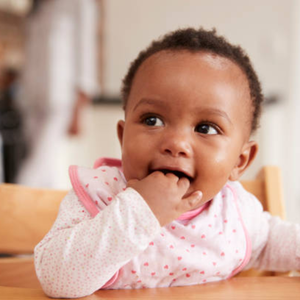
What you need for every stage of mealtimes
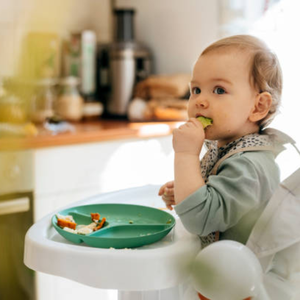
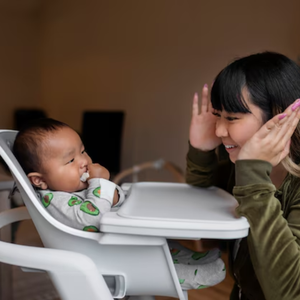
Introducing solid foods begins in France between four and six months, on the paediatrician’s advice. The first spoonfuls are often given with the baby on a parent’s lap; a high chair comes into use when baby can sit up unaided, at around six months, at the same height as the family table. An adjustable model such as the Vars high chair by Caretero can accompany your child for several years.
Then comes the age when they start eating on their own, which means more mess: a bib becomes essential, and a cup gradually replaces the bottle for water. Finally, from nursery or pre-school onwards, a personal water bottle or straw cup comes along on outings, to sports and on picnics.
High chairs, tableware, bibs: all our mealtime pages
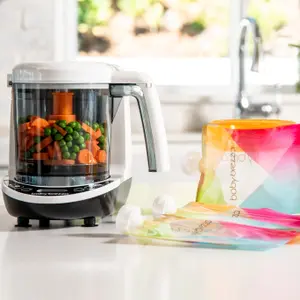
There’s a page for every stage. High chairs bring baby up to the table as soon as they can sit up, and booster seats take over on an adult chair. Bottle makers and warmers make night-time feeds quicker, the breastfeeding page brings together cushions and accessories for breastfeeding mums, and food processors cook and blend homemade purées. Children’s tableware and bibs complete the table.
Cups and water bottles: stainless steel, insulated or plastic
Stainless steel is the most durable material for a child’s water bottle or cup: it doesn’t retain tastes or smells and can withstand drops in the playground. Klean Kanteen, an American pioneer of reusable stainless steel bottles, makes versions for children, while Done by Deer offers stainless steel bottles illustrated with farm animals. Insulated double-walled models, such as the cup by French brand Qwetch, keep water cool during break time.
Plastic water bottles are lighter for little ones. Fabelab, A Little Lovely Company and 3 Sprouts decorate theirs with tigers, bears, deer or stars to help children recognise their own. Since 2015, bisphenol A has been banned in France in all food containers.
Bibs: waterproof, cotton or with a pocket
The right bib depends on the occasion. For those first purées, a waterproof bib, like those from Baby Bites, catches drips of purée and rinses clean under the tap after the meal. Models with a crumb-catching pocket, made from soft silicone, catch food that falls from the spoon and make it easier to clean the high chair.
Fabric bibs are gentler around the neck and can go in the washing machine with baby’s clothes. Larkwood designs them with delicate patterns, while Guess offers a cotton poplin bib that adds a smart touch to special-occasion meals. Choose a popper or hook-and-loop fastening at the back, which your child can’t undo by themselves, and avoid ties at the back of the neck.
Baby mealtimes: when to save
A high chair, a water bottle for starting school or a set of bibs for nursery are worth planning ahead for. Black Friday baby and childcare deals and the end-of-year holidays are a good time to complete your kit, before the winter baby and childcare sales. The spring French Days and summer sales come before the new school year, a busy time for school water bottles. The latest baby and childcare products showcase the new designs.
Frequently asked questions
At what age can I offer my baby a cup?
You can offer your baby water in a cup from the start of weaning, at around six months, helping them to hold it. A straw cup or soft-spout cup can help with the transition; children gradually learn to use an open cup from around 18 months.
Can an insulated water bottle go in the dishwasher?
Many double-walled water bottles need to be washed by hand to protect the insulation, while the lid can sometimes go in the dishwasher. Follow the instructions and use a bottle brush to clean the bottom and the straw.
When should you move from a high chair to a booster seat?
When your child can sit down and get up on their own safely, and stays calm during meals, often at around three years old. A booster seat, secured to an adult chair, brings them up to table height without separating them from the rest of the family.
How many bibs should I pack for nursery?
Allow for two or three bibs per day at nursery, as snack time can be just as messy as lunch. Add your child’s name with an iron-on label to avoid mix-ups.
Can baby’s tableware go in the microwave?
Never stainless steel, as it contains metal. For plastic, silicone or bamboo, only the manufacturer’s instructions can confirm whether it’s safe; if in doubt, heat the food in a glass container, then serve it on your child’s plate.













