
T-shirts and vests for boys, for school and sport
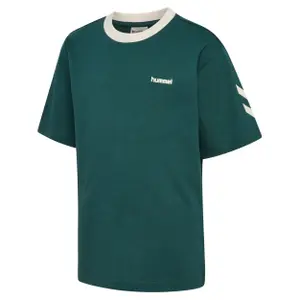
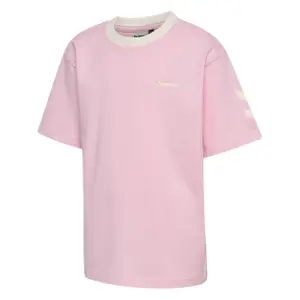
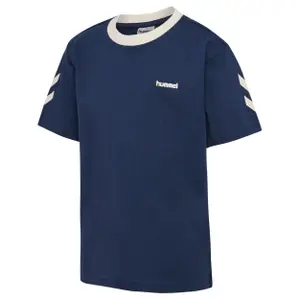
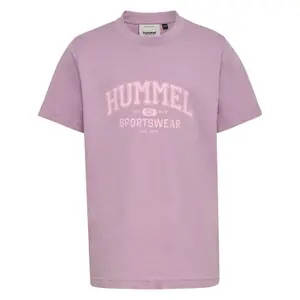
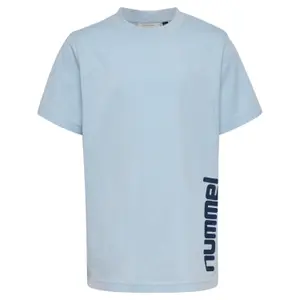

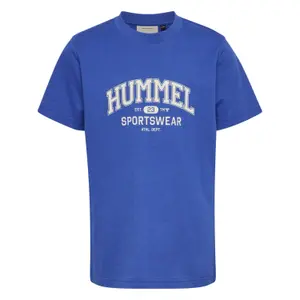

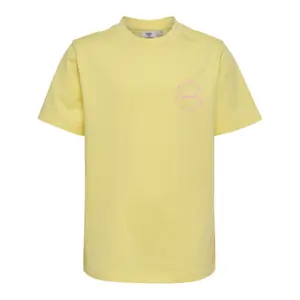
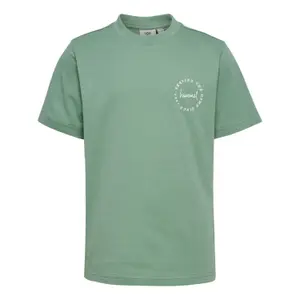
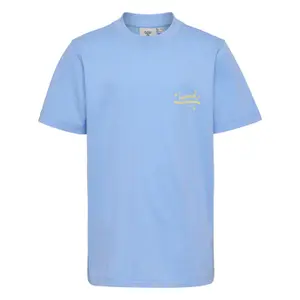
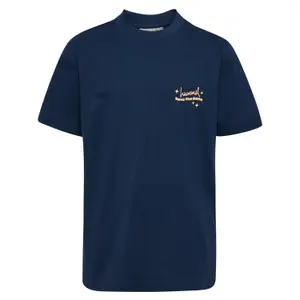
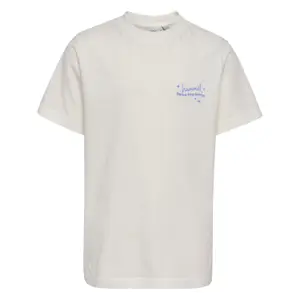


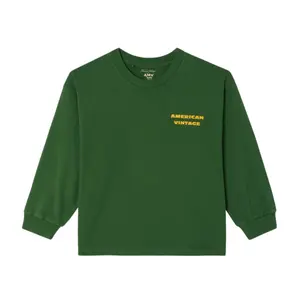
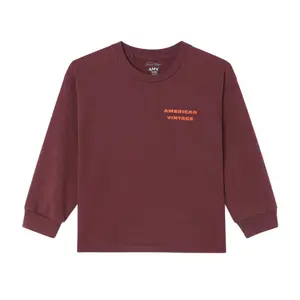
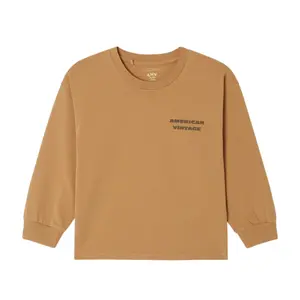


The boys' T-shirt is the garment that gets washed most often, and the one that needs to last the longest. Plain basics, prints featuring Marvel or Fortnite characters, and logos from Converse, Jordan or Hummel: this selection brings together T-shirts and vests for boys, in cotton or breathable fabric, for school, the leisure centre and hot afternoons.
A good T-shirt keeps its shape wash after wash.
T-shirt or vest top: which to choose in hot weather
A T-shirt is a staple in a boy's wardrobe: its short sleeves cover the upper arms from the sun and from rubbing against a backpack, while a well-ribbed crew neck keeps its shape over time. A vest top, with no sleeves, lets air circulate under the arms: it's a good choice in very hot weather, by the water or for an indoor basketball training session.
For a full day in the sun, a T-shirt is the better option, as it protects the shoulders, which are often forgotten when applying sun cream. Choose a light colour and lightweight fabric: children's skin burns more quickly than adults', especially between midday and 4 pm.
Long sleeves, polo shirts and shorts to complete the outfit
When mornings start to get cooler, long-sleeved T-shirts cover the arms without the bulk of a sweatshirt and can be worn on their own or as a base layer. For a slightly smarter outfit with a buttoned collar, polo shirts have the same flexibility as jersey. Shorts and Bermuda shorts go well with a T-shirt on warmer days, and the sweatshirts page has warm layers to throw on top when the wind picks up.
Combed cotton, seams, OEKO-TEX: how to spot a hard-wearing T-shirt
A hard-wearing T-shirt is all about the fabric. Combed cotton has had its shortest fibres removed, giving it a smoother, softer surface that is less likely to bobble. A slightly heavier jersey, which feels dense between your fingers, keeps its shape and is less see-through, especially in a white T-shirt. The seams should be even, with a neck tape to stop the collar from losing its shape.
The OEKO-TEX Standard 100 label means that every component, from the thread to the print and label, has been tested for harmful substances. For a boy with sensitive skin, it offers more reassurance than a simple claim that the cotton is natural.
From Fruit of the Loom basics to Marvel prints
- Fruit of the Loom, an American brand founded in 1851, is a go-to for plain cotton T-shirts, bought in packs of two or three for the week.
- Converse adds the Chuck Taylor star patch to its T-shirts, while Jordan uses the Jumpman, for boys who love basketball.
- Hummel, founded in Hamburg in 1923, marks its T-shirts with its chevrons, a design inherited from its football kits.
- Jack & Jones and Name it, two brands from Danish group Bestseller, focus on graphic designs and licensed characters, from Marvel heroes to Fortnite characters.
- Desigual, a Barcelona-based brand founded in 1984, is known for more colourful prints featuring Mickey Mouse and superheroes.
Discounted boys' T-shirts: when to replace the basics
T-shirts are often replaced in multipacks, and seasonal sales are a good time to stock up. On Black Friday, look out for printed T-shirts to put under the tree for Christmas. The winter sales are a good time to plan ahead for summer and buy the next size up, while the spring French Days are a chance to top up before the first hot days. The summer sales and then back-to-school season bring end-of-line deals to the special offers page, while the new clothing section features the latest prints.
Frequently asked questions
How many T-shirts should I get for a week of school?
Allow one T-shirt for each school day, plus two or three spares for Wednesdays, PE and unexpected stains. For a nursery-school child, add one to their school bag: paint and lunchtime spills are hard to avoid.
Why does a cotton T-shirt shrink in the wash?
Cotton shrinks when exposed to heat, especially in the first wash and in the tumble dryer. Wash at 30 degrees, leave it to air-dry and gently stretch the T-shirt back into shape while it's still damp; pre-shrunk cotton helps limit this.
Can a boy wear a vest top to school?
It depends on the school's rules, which you can find in the school planner or on its website. Some schools require shoulders to be covered; a lightweight cotton T-shirt or one made from breathable fabric is a good option on very hot days.
How can I protect a T-shirt print?
Turn the T-shirt inside out before washing it at 30 degrees, and avoid the tumble dryer, which can crack screen prints and lift transfers. Never iron directly over the design: iron it inside out or place a cloth over it.
What size T-shirt should I get for an 8-year-old boy?
Size 128 is generally for a child around 1.28 m tall, which is about average at age 8. However, measure your son: a tall 8-year-old will often wear size 134 or 140, and a T-shirt that's too tight will ride up as soon as he raises his arms.











