
Long-sleeved T-shirts for boys
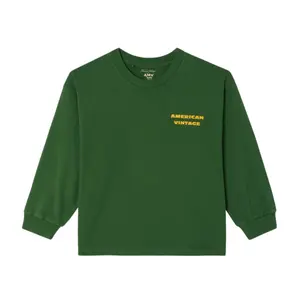
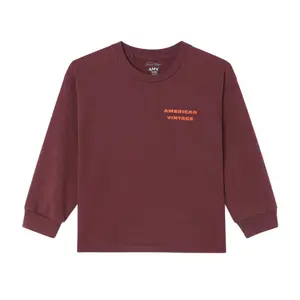
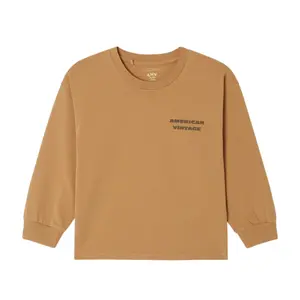
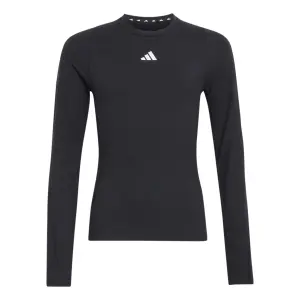


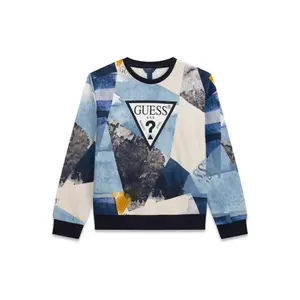
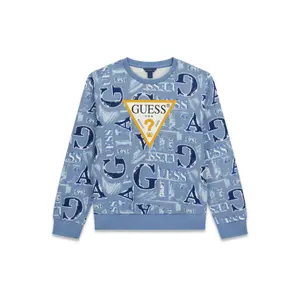


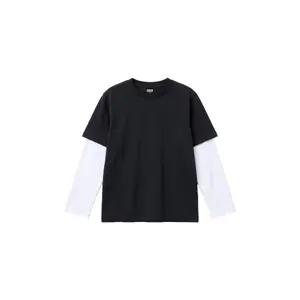
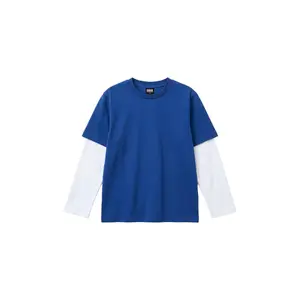


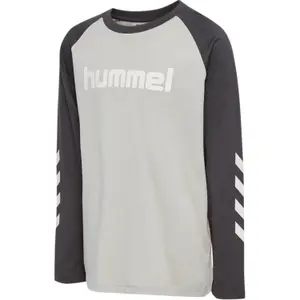

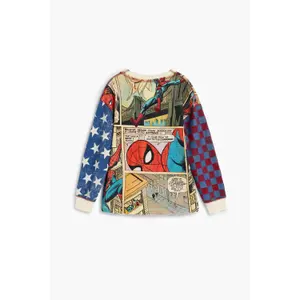
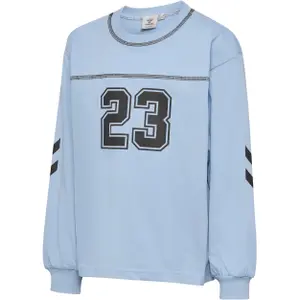
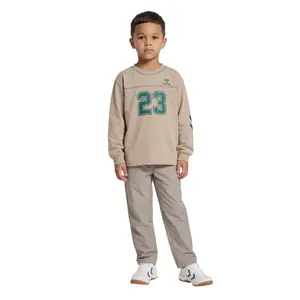
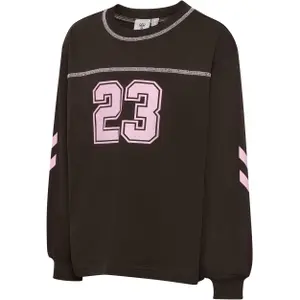
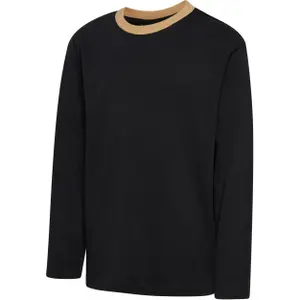
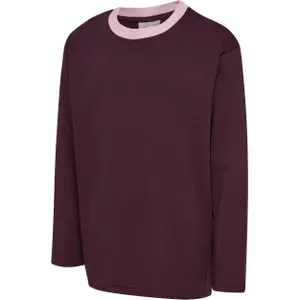
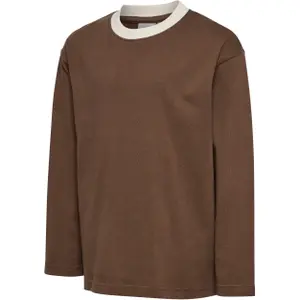
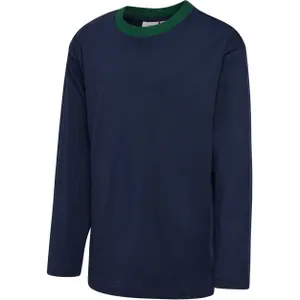
The long-sleeved T-shirt is ideal for in-between seasons: light enough for a spring afternoon, with enough coverage for an October morning, it can be worn on its own or as a base layer when the cold sets in. This selection brings together plain and printed long-sleeved T-shirts for boys, made from soft cotton jersey, for school and weekends.
Cover the arms without adding bulk.
When to switch to long-sleeved T-shirts
Long-sleeved T-shirts take over from short sleeves when the mornings turn chilly but the afternoons stay mild. They save you the hassle of a cardigan left behind in the playground: arms stay covered all day, without needing to take off an extra layer. In winter, they make an ideal base layer under something warmer, as long as they fit close enough to avoid creases.
They come in handy in summer too: a lightweight, light-coloured style protects arms from the sun on an outdoor trip, more reliably than hastily applied sun cream. For the beach, a tightly woven version, or one labelled UPF, blocks more ultraviolet rays.
Short sleeves and vests for warmer days
Once the afternoons really start to warm up, it’s time to switch to short sleeves. The T-shirts and vests page brings together summer tops for boys, from plain crew-neck T-shirts to sleeveless vests for hot days. Both styles work well together: many parents keep two or three long-sleeved tops in the wardrobe all year round for chilly May mornings or holiday evenings in the mountains, and gradually switch to short sleeves in spring. Sizing and care advice stays the same across both pages.
Cuffs, neckline and fit: the details that make all the difference
The quality of a long-sleeved T-shirt comes down to the details at the ends. Ribbed cuffs stay in place instead of slipping over the hands, and are easy to push up for washing hands or painting. Sleeves should reach the wrist with arms straight: if they’re too short, they ride up as soon as your child lifts their arms; if they’re too long, they trail in their dinner.
A classic crew neck suits any occasion, while a buttoned neckline, known as a Henley, is easier to pull on and gives a smarter look. A raglan-sleeved style, with seams running diagonally from the neckline, gives the shoulders plenty of freedom: it is a favourite with children who climb and run.
What size long sleeves for ages 3, 8 or 12
Children’s sizes correspond to height in centimetres: size 98 fits a child of around 3, size 128 a boy of 8 and size 152 a 12-year-old, on average. With a long-sleeved T-shirt, arm length matters just as much as height: if your son has long arms, go up a size rather than choosing sleeves that stop halfway down his forearms.
Cotton can shrink a little in length in the first wash, especially if it goes in the tumble dryer. So leave a little room, but don’t go up more than one size: a T-shirt worn as a base layer should stay fitted so it doesn’t bunch up under the layer on top.
Long-sleeved T-shirts on offer: plan ahead for autumn
Long-sleeved T-shirts are mostly bought as autumn approaches, but key sales periods are a good time to stock up for less. Black Friday comes at just the right time to top up on winter base layers, just before the festive season. The winter sales clear out the warmest styles, then the spring French Days are a good time to plan ahead for lightweight long sleeves for summer evenings. During the summer sales and at the start of the school year, it’s worth visiting the clearance page to buy the next size up.
White, yellow or printed: keeping colours bright
A white long-sleeved T-shirt is the most versatile, but also the most prone to felt-tip and tomato sauce stains. White cotton can be washed at 40 degrees; treat stains as soon as your child gets home from school with gall soap, which works better than a simple pre-wash.
For bright colours such as yellow, wash inside out at 30 degrees, separately for the first few washes, and dry in the shade: direct sunlight fades the colours. Printed styles need the same gentle care: turn them inside out and avoid the tumble dryer, which can crack the screen prints.
Frequently asked questions
Can you have a name printed on a long-sleeved T-shirt?
Yes, a plain cotton T-shirt is well suited to having a name printed or embroidered by a custom printing shop. Place the design on the chest or back rather than the sleeve, where the fabric is constantly creasing, then wash the garment inside out.
Can a cotton long-sleeved T-shirt be worn as pyjama top?
A soft cotton style, with no thick print or scratchy label, makes a comfortable night-time top in winter. Choose one that fits fairly closely, with no decorations or cords that could get in the way during sleep, and keep it just for night-time so it stays clean.
Do you need a cotton T-shirt for winter sports?
For an outdoor PE lesson, a long-sleeved T-shirt keeps you warm under a jacket and is easy to take off. Cotton absorbs sweat and stays damp: for strenuous exercise, a breathable synthetic fabric dries faster and helps prevent a chill.
How can you stop the cuffs from stretching?
Avoid pulling on the sleeves when putting the T-shirt on, and wash it at 30 degrees without using a high spin cycle. Ribbing with a little elastane keeps its stretch better over time than cuffs made from pure cotton.
How many long-sleeved T-shirts should you get for a child?
For the in-between seasons, three or four are enough, alternating with short sleeves. In winter, if one is worn every day as a base layer, allow one for each school day plus one or two spares, especially for younger children, who often need a change of clothes.











