
Jeans for boys, a fit for every shape


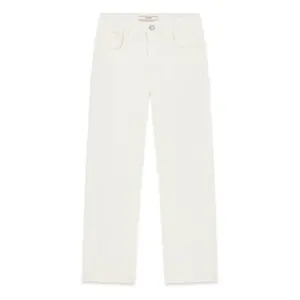
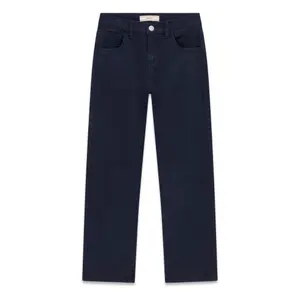
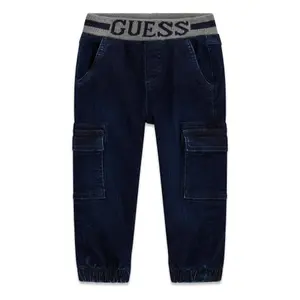
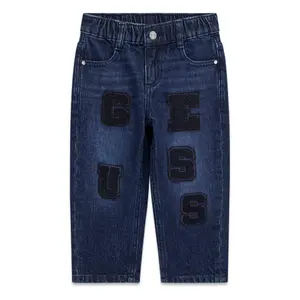


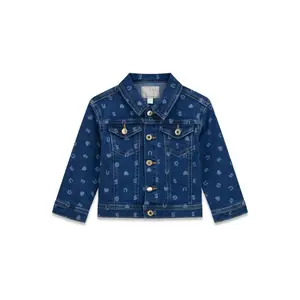
The boys’ jeans stand the test of time: they handle knees on the ground, football games at break time and endless washes better than any other fabric. You just need to find the right fit and denim. Straight, slim, loose or tapered, rigid or stretchy, with an elasticated or adjustable waist: here’s how to choose jeans that will see your son through the school year and into the holidays.
The right jeans will last all school year.
Straight, slim, wide: which jeans fit should you choose for a boy?
Straight-leg jeans stay the same width from the knee to the ankle: they're the most versatile, comfortable without being baggy. Slim-fit jeans follow the leg all the way down; they're a good choice for slimmer builds, as long as they contain a little elastane so he can squat without feeling restricted. Wide-leg fits, also known as relaxed or baggy, are popular with older boys: they allow plenty of freedom of movement and are worn slightly long at the hem.
Between the two, tapered jeans, which are roomy at the top and narrower at the ankle, appeal to children who want comfort without hems dragging on the ground. For a toddler, a fully elasticated waist with no fly makes potty training easier.
Chinos, cargo trousers and waterproof trousers to wear instead of jeans
Jeans aren't always the best choice: they take a long time to dry and become heavy when wet. The trousers for boys page brings together everything that complements them in the wardrobe: cotton twill chinos, which are lighter for warm days; cargo trousers with large pockets for children who carry everything around; soft jogger-inspired fits for active days; and waterproof trousers to pull on over jeans for school trips in the rain.
Rigid or stretch denim, from Nîmes to the playground
The word denim comes from serge de Nîmes, a twill-weave fabric known for its strength, while the word jeans comes from Genoa, whose port shipped cotton cloth dyed with indigo. The principle hasn't changed: only the warp thread is dyed blue, while the weft thread remains undyed, which gives the fabric its pale reverse and gradual fading.
Rigid denim, made entirely from cotton, is the most durable but needs a few washes to soften up. Stretch denim, with a little elastane added, feels comfortable from day one, but may not last quite as long around the knees. For a very active child, denim made mostly from cotton with a small amount of elastane offers the best balance.
Elasticated or adjustable waist, low or high rise
For children, an adjustable waist makes jeans a great choice: an internal buttonhole lets you tighten the waistband elastic by several notches, so the same pair fits a slim child and still fits as they grow. A fully elasticated waist, with or without a drawstring, is ideal for little ones who dress themselves and for those who still struggle with buttons.
Rise matters too: a regular rise that sits on the hips covers the lower back when a child bends over, while a low rise can quickly expose it when they squat. For the length, look for jeans that touch the top of the foot, or have a hem that can be let down later.
Jeans for boys on offer throughout the school year
Between wear and tear at the knees and growing, a pair of jeans rarely lasts a child more than a year, so it's worth keeping an eye out for key sales periods. Black Friday is a good time to pick up a spare pair of winter jeans, while the festive season is a chance to put a pair under the tree. The winter sales are ideal for replacing jeans that have given way at the knees; in spring, the French Days and summer sales are a chance to prepare for the next size up. When the new school year starts, the clothing clearance page can help you fill out their school wardrobe.
Frequently asked questions
How should I wash children's jeans to keep their colour?
Turn them inside out, fasten the fly and wash them at 30 degrees with dark colours, ideally using detergent for dark fabrics. Avoid tumble-drying, which can shrink cotton and set creases: drying them on a hanger is enough.
Do new jeans shrink in the first wash?
Raw or lightly treated denim may lose a little length in the first machine wash, especially at a high temperature. Most children's jeans are pre-washed, which limits this; at 30 degrees and without tumble-drying, the size should stay the same.
How should I store jeans in a small wardrobe?
Fold each pair into thirds, or roll it up from the hem to the waistband, then store them upright in a drawer or box so you can see them all at a glance. Hanging jeans by the waistband on a clip hanger also works well in shallow wardrobes.
Are jeans suitable for a baby?
Yes, as long as you choose soft denim, a fully elasticated waist and flat seams that won't rub against the skin. For nappy changes, a style with poppers at the crotch means you don't have to undress the baby completely; save rigid jeans for when they're walking.
Why do children's jeans wear out at the knees first?
Children kneel, slide and squat much more than adults, so the fabric rubs in the same place again and again. Thick denim or an iron-on patch on the inside at the first signs of wear can make jeans last much longer.











