
Boys’ trousers in canvas, cargo or waterproof styles


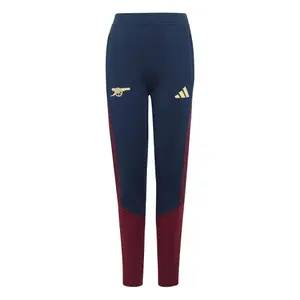


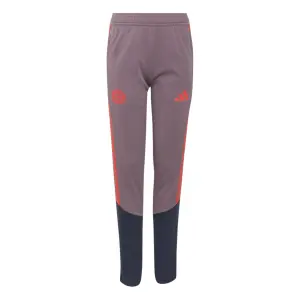


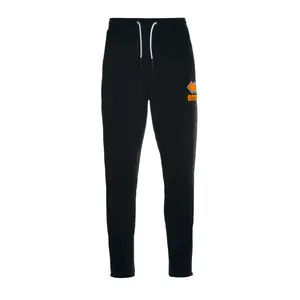

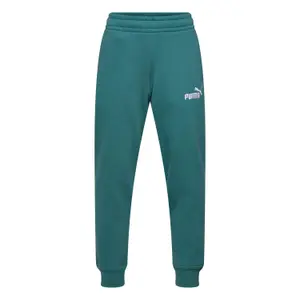
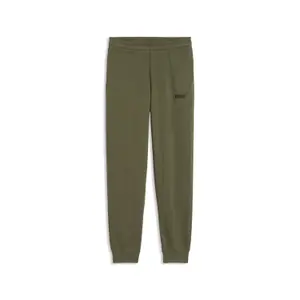
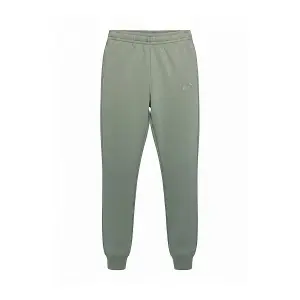
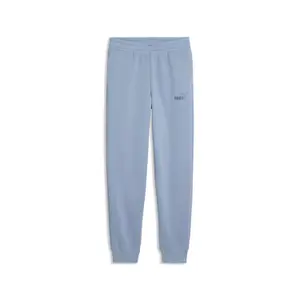

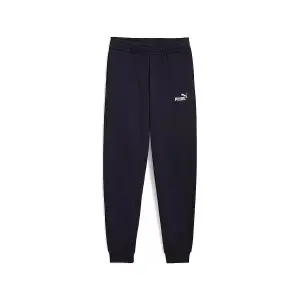

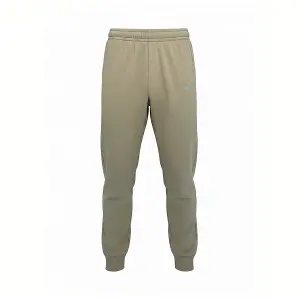
Boys’ trousers need to stand up to kneeling in the playground, sliding down the slide and repeated washes. This page covers every style: canvas chinos for school, cargo trousers with pockets, relaxed fits inspired by joggers and waterproof trousers for rainy days, from Jack & Jones, American Vintage, Joma or Didriksons.
A fit for every day, from the classroom to the park.
Chinos, cargo trousers or jogging-style trousers: three silhouettes
Chinos are cotton twill trousers with a clean-cut shape and slanted pockets: they’re a smart choice that works just as well for school as for a family lunch. Jack & Jones, a Danish brand founded in 1990, offers them for children in several fits, from slim to loose, in soft fabrics that let them move freely.
Cargo trousers have their roots in the British battle dress trousers of 1938, which had a map pocket on the thigh: their large side pockets appeal to children who like to carry everything, and Joma offers them in a Comfort version. Somewhere between the two, jogging-style woven trousers, such as the Padow by American Vintage, have an elasticated waist and straight legs, offering the comfort of tracksuit bottoms with a smarter look.
Jeans, joggers and shorts: other options for boys
Jeans deserve a page of their own: the selection of boys' jeans covers straight, slim and wide fits in hard-wearing denim. For sports and days at home, joggers and tracksuits offer soft fleece, and when the weather starts to warm up, shorts and bermuda shorts replace long trousers. For the mountains, a ski suit covers the legs and torso in one piece.
Rain trousers and waterproof trousers for days out
Rain trousers are worn over clothes for a trip through puddles or a morning in the woods with school. The Lammikko by Reima, a Finnish brand founded in 1944, is a good example, as are Ralka's styles, which are easy to pull on thanks to their elasticated waist. The Borise by Weather Report and the Jupitor by Hummel, the latter in softshell, are suitable for chilly days when the wind joins the rain.
The more technical Idre waterproof trousers by Didriksons, a Swedish brand founded in 1913, are made for longer outings. Check for elasticated foot straps to stop the legs riding up, and taped seams, which are essential if a child is going to sit in wet grass.
Adjustable waist, hems and knees: trousers that last
Most children's trousers have a hidden adjustable waist: a buttoned elastic band inside the waistband that can be tightened by a notch or two for slimmer children. It's the easiest way to tighten trousers that are too loose, without sewing or a belt. For the length, the hem should just touch the top of the foot; turning it up by one or two centimetres lets you buy the next size up and get a few extra months' wear.
Knees are the first to wear out on children who play on the floor: thick twill or reinforced knees help trousers last longer. Wash them inside out and buttoned up to preserve their colour and shape.
Reduced-price boys' trousers for back to school and winter
Children wear out several pairs of trousers a year, so it makes sense to buy them at the right time. Black Friday is a good time to buy rain trousers for winter, and the festive season is a good time to get chinos for a family meal. The winter sales are a chance to replace trousers that have worn out at the knees, then the spring French Days and summer sales are a good time to get lighter fabrics. For back to school, the offers page brings together the latest deals on school trousers.
Frequently asked questions
How do you fold children's trousers to save space?
Fold them in half lengthways, with the legs lined up, then roll them from the hem up to the waistband. Rolled up and stood upright in a drawer, the trousers are all visible at once and crease less than when stacked.
How many pairs of trousers should you have for a week at school?
Four or five pairs should last the week while giving the washing time to dry. Mix two comfortable styles for PE days with two or three smarter pairs, and keep a spare pair of trousers in younger children's bags.
Does a 10-year-old boy always wear size 140?
Age 10 corresponds to a height of around 140 cm, but age-based sizing is only a guide: a tall, slim child might wear age 12 trousers tightened at the waist. Measure the inside leg of a pair that fits well and compare it with the brand's size guide.
Are cargo trousers suitable for school?
Yes, if they’re understated: the side pockets are handy for a tissue or a bus pass. Just avoid leaving heavy items in them, as they can distort the fabric, and choose popper pockets rather than Velcro ones, which are noisier in class.
How do you get grass stains off the knees of trousers?
Rub a little gall soap into the dry stain before washing, leave it for 15 minutes, then wash at the recommended temperature. Avoid hot water on first contact, as it sets the grass pigments into the fibres.











