
Boys’ coats and parkas, for school and weekends


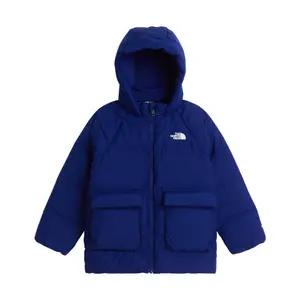
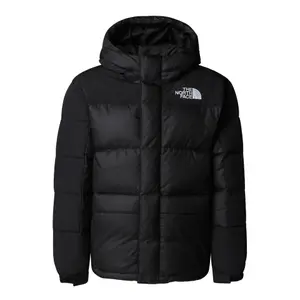
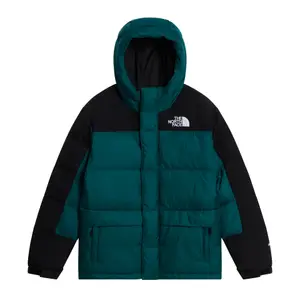
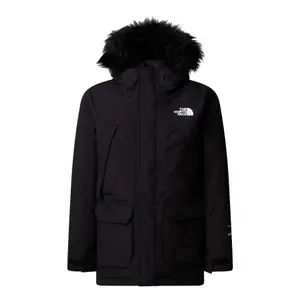


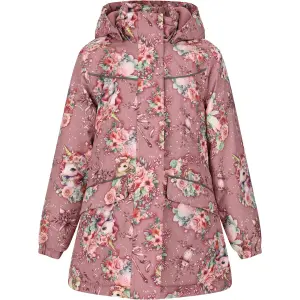

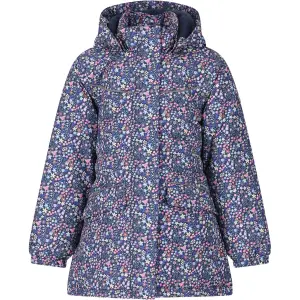
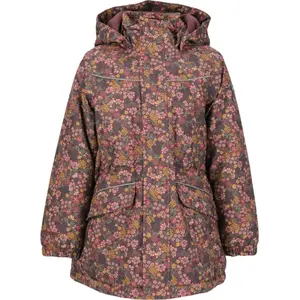
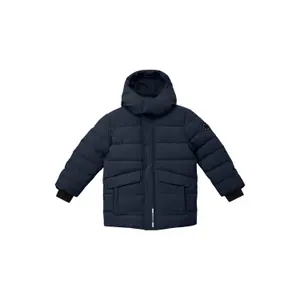
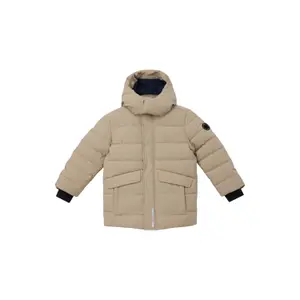
Starting at €89.99
€58.49
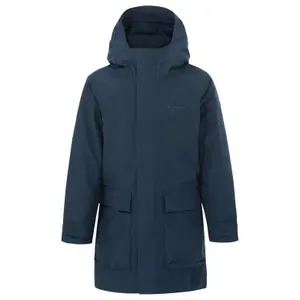
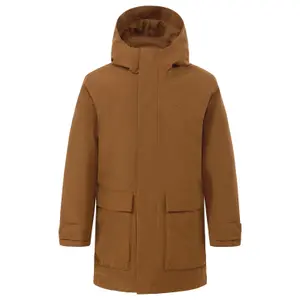
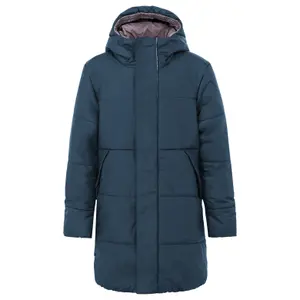
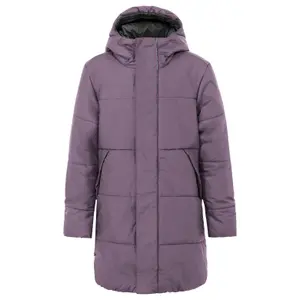


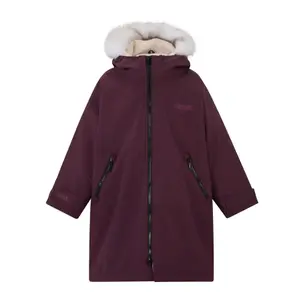


A boy’s coat needs to last all winter: trips to school, playtime in drizzly weather and weekend outings on cold, dry days. This page brings together hooded parkas, which are longer and offer more protection, and coats with a neater cut, for everyone from toddlers to teenagers. Start by checking the length, hood and padding: these are what make the difference when the temperature drops.
A parka covers the lower back; a coat is smarter.
Parka, anorak or coat: what sets them apart
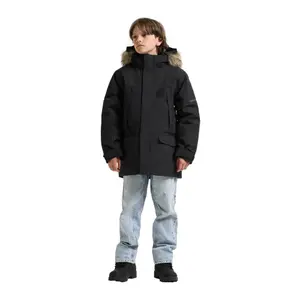
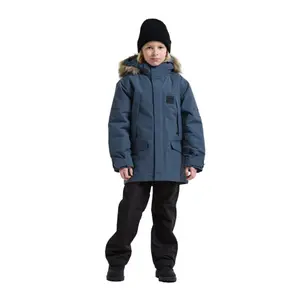
A parka is recognised by its length, which reaches at least the hips and often mid-thigh, its fixed hood and its large pockets. The word comes from the language of the Nenets, a people from the Russian Far North, and reached Western Europe via Russian. An anorak, whose name comes from the Greenlandic annoraaq, originally referred to a hooded garment pulled on over the head; today, it means a short jacket that blocks the wind.
Finally, a coat has a more structured cut, with buttons or a zip, sometimes made from wool cloth. It is the piece for special occasions, ceremonies and trips around town, while the parka is for long playtimes and trips out in the rain.
Padded jackets and windbreakers for other weather
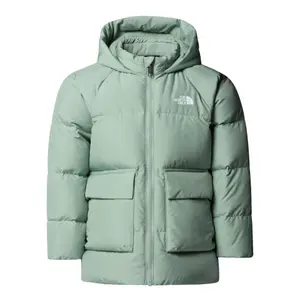
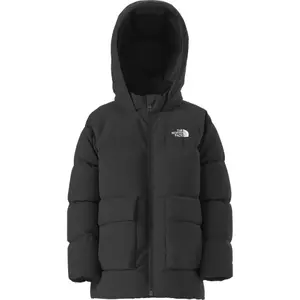
Depending on the weather and activity, other jackets can take the place of a coat. For frosty mornings and holidays in the mountains, boys’ padded jackets use lightweight, lofty filling that provides excellent insulation. In milder weather, when it rains but isn’t really cold, boys’ windbreakers fit into a school bag and keep out the wind and showers without making them too hot.
Filling, waterproofing, hood: how to read a parka’s product details
Warmth depends on the filling: down offers the best warmth-to-weight ratio but doesn’t cope well with prolonged damp, while synthetic padding retains much of its insulating power even when wet and stands up better to frequent washing. For a child who plays outside in all weathers, it’s often the more reliable choice.
For rain protection, check the waterproof rating, measured in millimetres of water column: from 10,000 mm, a parka stays waterproof in heavy rain, while taped seams stop water getting in through the stitching. An adjustable hood, adjustable cuffs and a storm flap over the zip complete the wind protection.
What coat size should you choose for a growing boy?
Choose a winter coat in your child’s usual size, based on their height: size 8 years is for around 128 cm, and size 12 years for around 152 cm. It’s already cut to be worn over a jumper, so there’s no need to go up two sizes, which would restrict movement and let cold air in at the neck.
When trying it on, ask them to raise their arms: the sleeves should stay at wrist level and the lower back should remain covered. A parka should cover the bottom, and a coat should reach at least the waist. If your child is between sizes, the larger one makes sense if the cuffs tighten with elastic or a tab, which stops the sleeves from covering the hands.
Discounted boys’ parkas and coats
Black Friday falls in late November, just when you’re checking whether last year’s parka still fastens: it’s a good time to replace it before the cold sets in. The end-of-year festivities are a chance to give a smart coat for family gatherings, then the winter sales let you plan ahead for the next size up. In spring, the French Days and, in summer, the sales are more about lightweight jackets, before getting ready for winter again at the start of the school year; the clothing clearance page brings together end-of-line items all year round.
Frequently asked questions
Should I get a waterproof or just water-repellent parka for school?
A water-repellent finish makes water bead on the surface, but it eventually gives way in prolonged rain. For walking to school and outdoor playtimes, a truly waterproof parka with taped seams will keep your child dry until the end of the day.
How do you wash a padded parka without damaging it?
Fasten the zips, turn it inside out and wash it on a low-temperature, delicate cycle with a mild liquid detergent and no fabric softener. Dry it flat or tumble-dry it on a low setting with a few laundry balls to fluff up the filling, always following the care label.
Are hood cords dangerous for young children?
They can get caught on a slide or a bus door. European standard EN 14682 regulates cords on children’s clothing and bans drawstrings on the hoods and collars of younger children’s clothes: choose elastic adjusters and cord stoppers instead.
Is a fur-lined parka enough for a school ski trip?
For walks and snowball fights, a warm parka is suitable if it’s waterproof and covers the lower back well. For skiing for several hours a day, a ski jacket with a snow skirt offers better protection in a fall.
What colour coat should you choose to be seen on dark winter nights?
Bright colours and reflective strips help drivers see your child on morning and evening journeys, when it’s still dark. On a dark coat, a retroreflective detail on the back and sleeves already makes a real difference.











