
Warm, lightweight boys’ puffer jackets
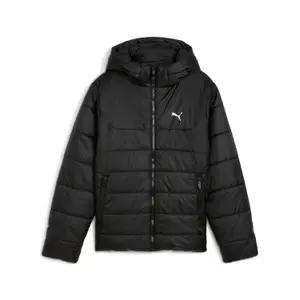
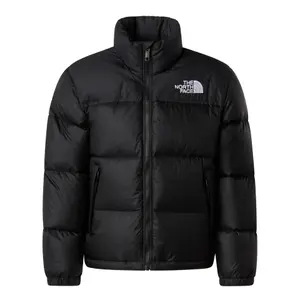
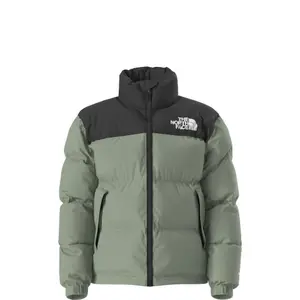
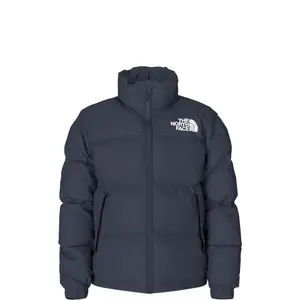
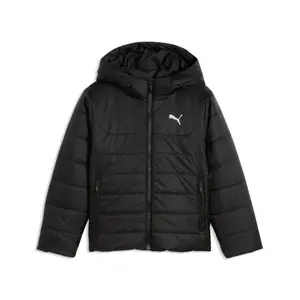
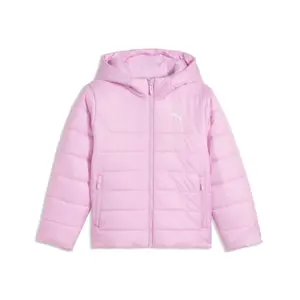
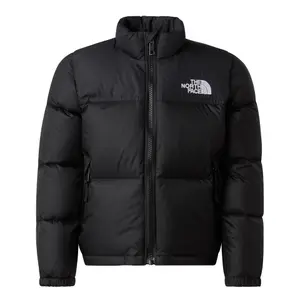
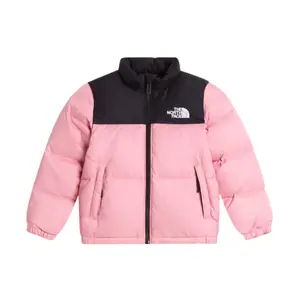
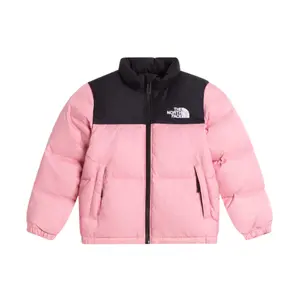


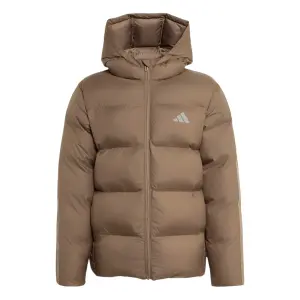


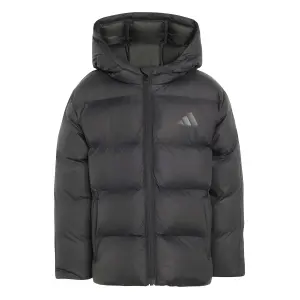


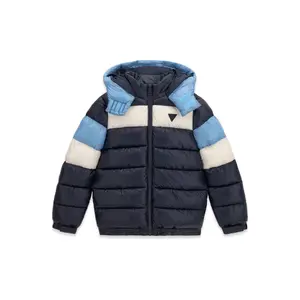
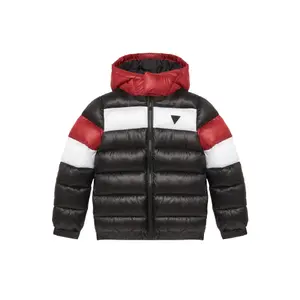
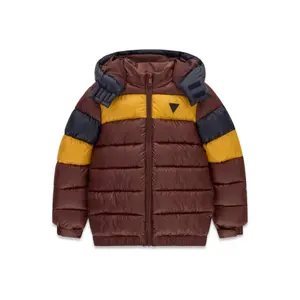


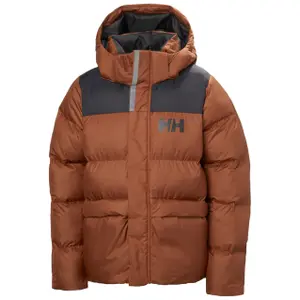
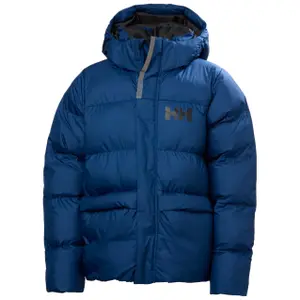

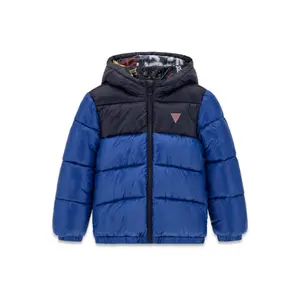
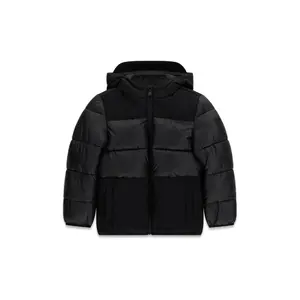

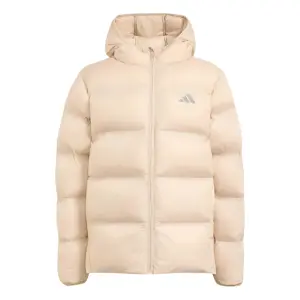


A boys’ padded jacket is the go-to coat for really cold weather: quilted and lightweight despite its bulk, it keeps him warm during break times, walks and snowy outings. This page brings together hooded padded jackets for winter, lightweight padded jackets that pack down into a bag, sleeveless styles for in-between seasons and long padded jackets that cover the tops of the thighs.
All the warmth, without the weight.
Down or synthetic wadding: how to choose the filling
Natural down, from geese or ducks, is still the most effective insulator for its weight. Its quality can be judged by two things: the ratio of down to feathers, often 90/10 in good models, and its fill power, measured in cuin, which measures the volume the down recovers after being compressed. The higher the figure, the more warm air the padded jacket traps.
Synthetic wadding, made from polyester fibres that imitate the loft of down, is a little less warm for the same weight, but keeps its insulating properties when wet and dries faster. For a boy who rolls around in the snow or wears his padded jacket in the rain, it's often the most practical choice and the easiest to wash.
Windbreakers, coats and parkas: other types of jackets
A padded jacket isn't the only answer to cold weather. Coats and parkas have a longer cut and often a more rain-resistant outer shell, while windbreakers come into their own in spring, when a padded jacket gets too warm. You can find all the jackets for boys on the jackets and coats page.
Hooded, lightweight or sleeveless: three types of padded jacket
The hooded padded jacket, thick and often water-repellent, is made for winter: the hood protects the back of the neck and ears, where children lose a lot of heat when they forget their hat. The lightweight padded jacket, with narrow quilted channels, packs down small: it slips into a travel bag or under a waterproof jacket as a warm layer.
The sleeveless padded jacket keeps the body warm while leaving the arms free: it's ideal for chilly autumn and spring mornings, worn over a sweatshirt. Longer styles, which reach mid-thigh, suit boys who wait for the bus or walk for a long time in the cold.
Machine-washing a padded jacket without flattening the filling
Children's padded jackets get dirty quickly, and they wash very well at home. Empty the pockets, fasten the zip and poppers, then run a delicate 30-degree cycle with a detergent suitable for down or technical fabrics, without fabric softener, which would make the filling lose its loft. Choose a gentle spin cycle.
Drying is the crucial step: put the padded jacket in the tumble dryer on a low heat with two or three clean tennis balls, which break up clumps of down, and take it out every half hour to shake it. Allow for several cycles: down left damp forms clumps that are hard to break up and can start to smell unpleasant.
Winter padded jackets: from Black Friday to the sales
A padded jacket is the quintessential start-of-winter purchase. Black Friday comes just before the cold weather sets in, and the festive season is a good time to give one as a present. The winter sales are a good time to buy the next size up for the following winter, while the spring French Days and summer sales are a chance to snap up lightweight and sleeveless padded jackets. At the start of the school year, clearance deals include styles from previous winters at reduced prices.
Frequently asked questions
What size padded jacket should I get for a 12- or 14-year-old boy?
A 12-year-old boy usually wears size 152 and a 14-year-old size 164, which corresponds to his height in centimetres. With a padded jacket, also check that the sleeves cover his wrists when his arms are stretched out and that it is long enough to cover his lower back when he bends over.
Can a child wear a padded jacket in a car seat?
It's best to take it off: the filling gets compressed in a collision, leaving a gap under the harness, which can no longer hold the child securely. Sit him in a jumper or fleece, tighten the harness, then place the padded jacket or a blanket over him for the journey.
At what temperature does a child need a padded jacket?
There is no official cut-off, but a thick padded jacket is most useful when it's below around 10 degrees, or when it's cold and windy. Between 10 and 15 degrees, a lightweight padded jacket, a fleece or a sleeveless padded jacket is generally enough for an active child.
Will a second-hand padded jacket still keep you warm?
Yes, as long as the down hasn't been flattened or washed carelessly: press it and let go; it should quickly regain its volume. Flat patches or clumps of feathers are signs that the filling has worn out, though you can sometimes revive it in the tumble dryer with tennis balls.
How can I stop feathers coming out of a padded jacket?
A few fine feathers poking through the fabric are normal in a down jacket. Don't pull them out, as this makes the hole bigger: instead, pinch the fabric from the other side to push them back in, and wash the jacket fastened and inside out to reduce rubbing.











