
Lightweight, packable windbreaker for boys

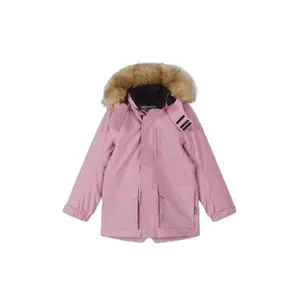


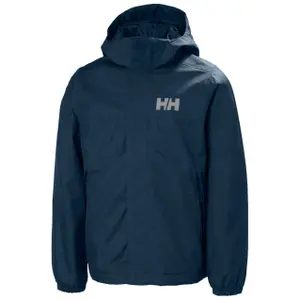


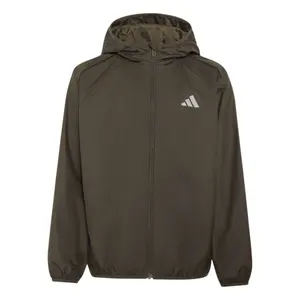
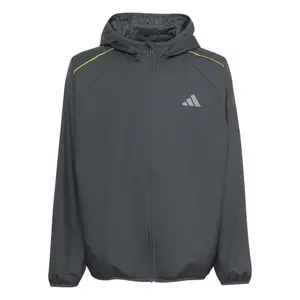
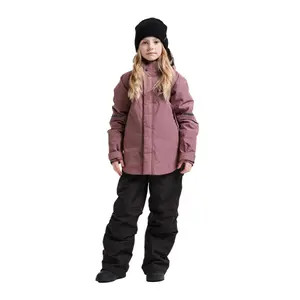
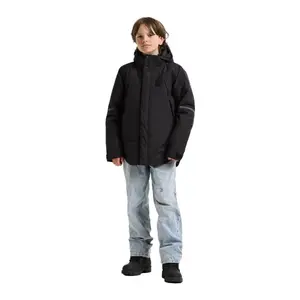
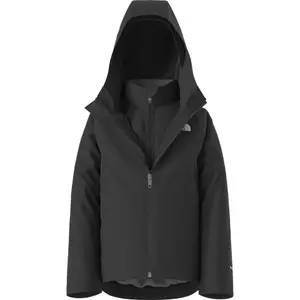
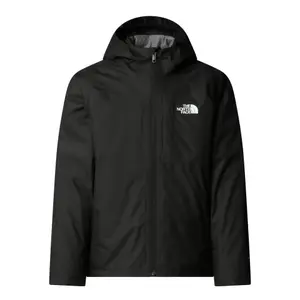
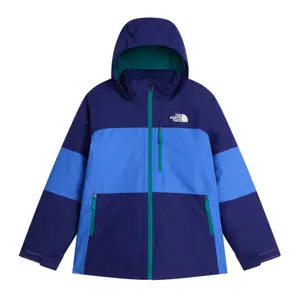
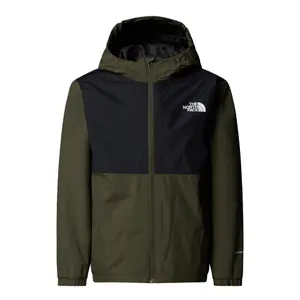


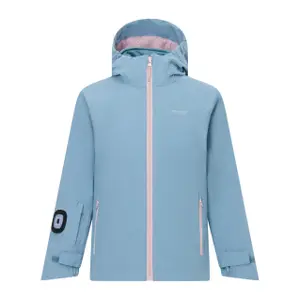
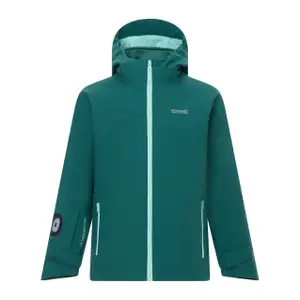
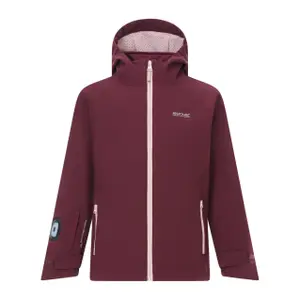
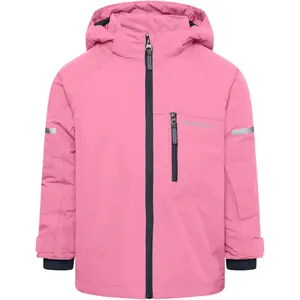
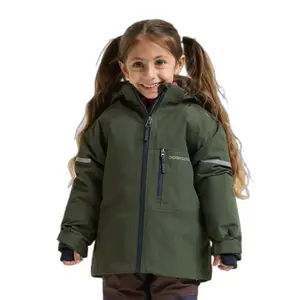
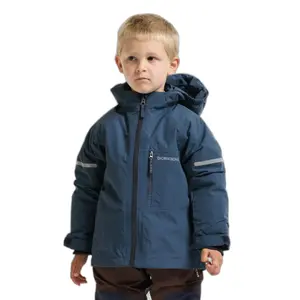
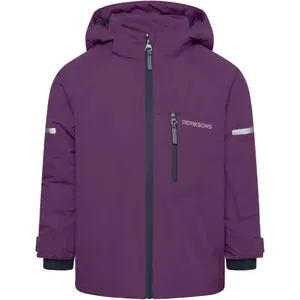
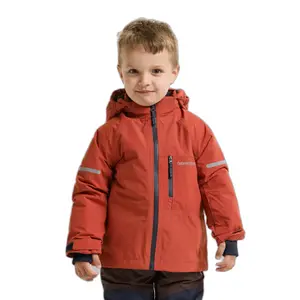
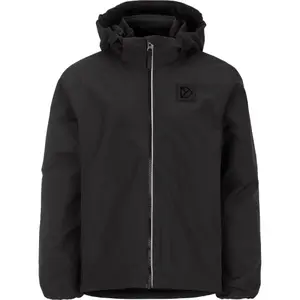
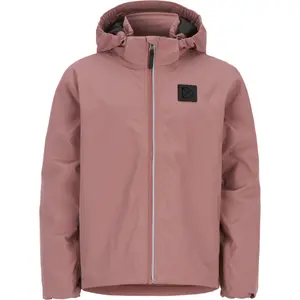
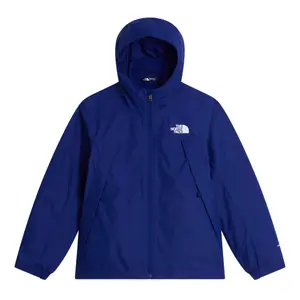
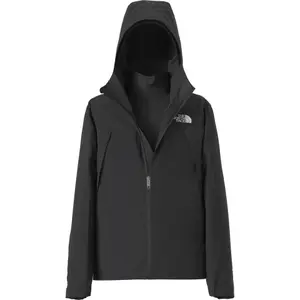


The boys’ windbreaker is the jacket for changeable days: lightweight, it blocks the wind, holds off light showers and packs away in a bag when the sun comes out. This page brings together hooded windbreakers for school and days out, training jackets for football and sport, more waterproof rain jackets and walking jackets for the holidays.
The lightweight jacket that slips into a bag.
Windbreakers, water-repellent jackets and waterproof jackets: three levels of protection
A windbreaker is first and foremost a barrier against the wind: its tightly woven fabric, often made from polyester or lightweight nylon, stops the wind from cooling the body. Most have a water-repellent treatment that makes droplets bead on the surface: enough for a short shower or drizzle, but not for prolonged rain.
A waterproof jacket goes a step further, with a membrane or coating and sealed seams. Its waterproof rating is measured in millimetres of water column, known as the Schmerber rating. For a boy who walks to school in all weathers, it takes the place of a windbreaker on properly rainy days; the windbreaker remains the lightweight jacket for dry, windy days.
Padded jackets, coats and parkas: warmer jackets
When the cold sets in, a windbreaker gives way to an insulated jacket. Padded jackets filled with down or wadding keep him warm during winter breaks, while coats and parkas are longer and also cover the top of the thighs. All the other jackets for boys can be found on the jackets and coats page.
A packable windbreaker for school and days out
A windbreaker’s biggest advantage is how light it is. Many styles are packable: they fold into their own pocket or a small pouch and take up barely more room in a school bag than a water bottle. Your child can take it out when the wind picks up on the way home, then put it away as soon as the sun comes out again.
A few details make this garment more practical for everyday wear: a hood that packs away into the collar, elasticated cuffs that stop air getting up the sleeves, an elasticated hem and a zip covered by a storm flap. The lightest styles can even be worn over a sweatshirt without restricting movement.
For football and cycling: the sporty child’s windbreaker
At football clubs, a training windbreaker is part of the kit: it is lightweight, worn for warm-ups in cool weather and taken off for training, without weighing down the bag. Its close-fitting cut stops it flapping in the wind when running, while zipped pockets keep keys or a phone safe.
On a bike or scooter, the wind chill can cool a child down quickly, even in mild weather: a windbreaker zipped up to the neck keeps their torso warm. Choose a bright colour and reflective details to make them visible to motorists, especially on autumn evenings.
Spring windbreakers: the best times to buy
Windbreakers are mainly used in the in-between seasons, so it’s worth planning ahead when buying one. Black Friday and the festive season are a good time to buy one for a young footballer, while the winter sales are a chance to get the next size up for spring. The French Days arrive just as it’s time to get them out of the wardrobe again; the summer sales are ideal for holidays in the mountains or by the sea, and back-to-school time, with the clearance page, helps get them ready for training to start again.
Frequently asked questions
What size windbreaker should I get for a 3- or 4-year-old?
A 3-year-old usually wears size 98 and a 4-year-old size 104, but windbreakers are often worn over a sweatshirt. Choose the size that matches their height, or the next size up if they are at the top end of the range. The sleeves should cover the wrists when their arms are straight, without falling over their hands.
Can a windbreaker go in the washing machine?
Yes, most can be washed at 30 degrees on a synthetic cycle, with the zips fastened and a mild detergent without fabric conditioner. Air-dry it; when water no longer beads on the surface, putting it in the tumble dryer on a low temperature, if the care label allows, often reactivates the water-repellent treatment.
Is a windbreaker enough for a mountain walk?
It is part of the kit, but isn’t enough on its own: at altitude, the weather can change quickly and temperatures drop. Pack it in the bag with a fleece and a waterproof jacket, and let your child add or remove layers depending on how hard they’re walking and how high up they are.
Why does a windbreaker make you sweat?
A tightly woven fabric blocks the wind but also lets less water vapour from the body escape, especially during exercise. A mesh lining, vents on the back or under the arms, and leaving the zip partly open all help reduce this condensation.
Should I get a hooded windbreaker for school?
A hood is useful for showers on the way to school, as children don’t always have a hat or umbrella with them. For younger children, it should not have a drawstring, or should tighten with elastic, as set out in the European safety standard EN 14682.











