
Ski suits for boys, from sledging to the slopes
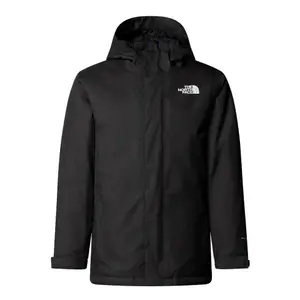


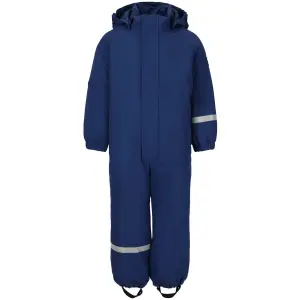
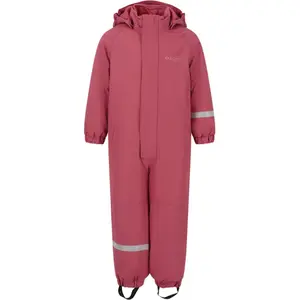
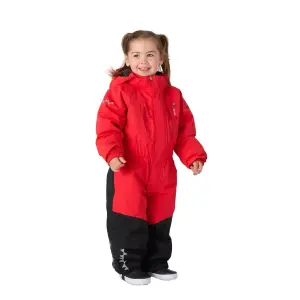
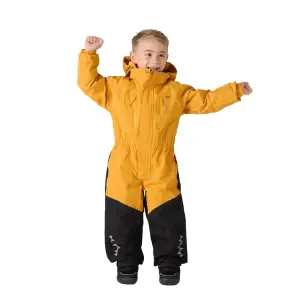
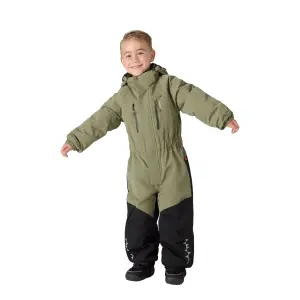
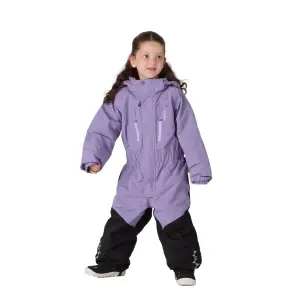
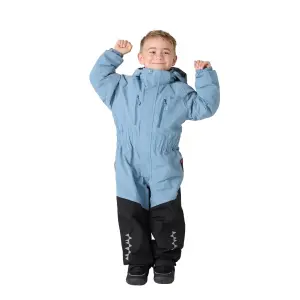
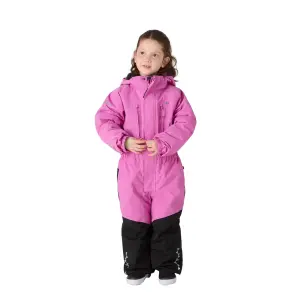
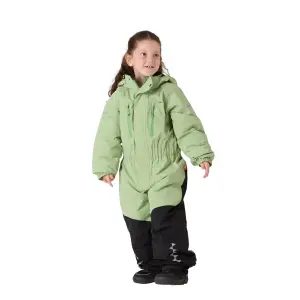
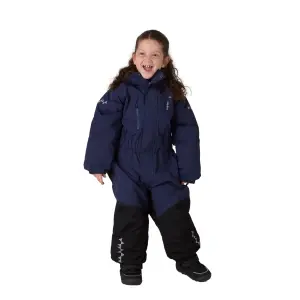
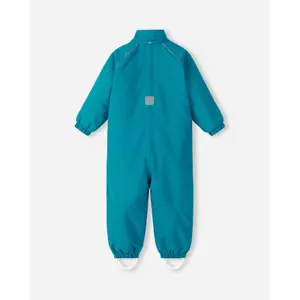
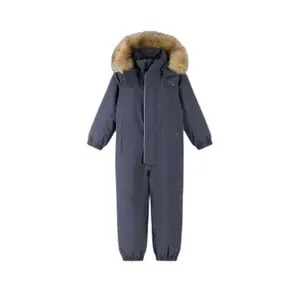
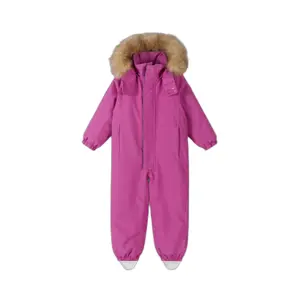
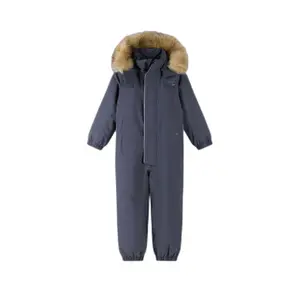

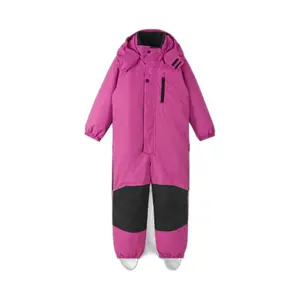

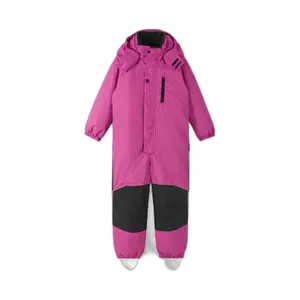


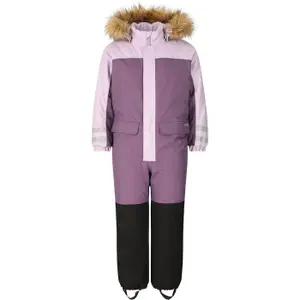
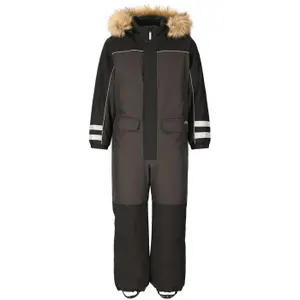
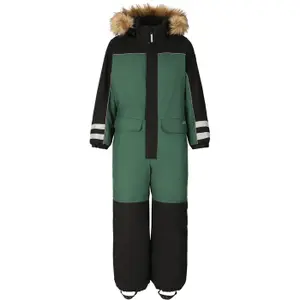
A children’s ski suit offers all-over protection, with no gap between the jacket and trousers for snow to get in when they fall. It’s ideal for their first days in the snow garden, afternoons sledging and school ski trips. On this page, baby and boys’ styles are compared on four points: waterproofing, breathability, warmth and ease of dressing.
One piece, no snow down their back.
Waterproofing and breathability: understanding both figures
Two figures sum up how technical a snowsuit is. Waterproofing, measured in millimetres of water column, shows how much pressure the fabric can withstand before water gets through: a child sitting in the snow or falling often puts a lot of pressure on the fabric, so it’s worth aiming for at least 10,000 mm. Breathability, measured in grams per square metre over 24 hours, shows how much perspiration vapour is let out.
Children switch between intense activity and waiting on the chairlift: if sweat gets trapped, they cool down as soon as they stop. Taped seams and waterproof fastenings add to these figures, as water gets in first through the stitching and zips.
Jackets, trousers and warm layers to wear together
For older children who prefer two pieces, the coats and jackets page brings together warm jackets to wear with ski trousers, while the boys’ trousers page has waterproof trousers. Under the snowsuit, underwear forms the first layer next to the skin, and jumpers and cardigans provide the mid-layer that keeps them warm on very cold days.
The Penguin by Isbjörn of Sweden for little ones
Isbjörn of Sweden is a Swedish brand specialising in technical outdoor clothing for children, and the first in its sector to join the bluesign system, which regulates the chemicals used in production. Its Penguin snowsuit is made for babies and young children: its fabric has a waterproof rating of 15,000 mm and a breathability rating of 15,000 g/m² over 24 hours, figures rarely seen at this age, and its PrimaLoft insulation stays warm even when wet.
The brand also fits many of its garments with extendable cuffs and ankle openings, which add around three centimetres of length as a child grows: enough to get another winter out of the same outfit.
What size ski suit to choose by age
Choose a snowsuit by the size that matches your child’s height, measured in centimetres, not by age alone: a four-year-old who is 110 cm tall will wear size 110, equivalent to age five. Allow a reasonable amount of room for the layers worn underneath, but don’t go more than one size up, as an oversized snowsuit bunches at the knees, makes it harder to get into a skiing position and lets the cold in.
When trying it on, ask them to crouch down and raise their arms: the fabric should not pull at the shoulders or leave the ankles exposed. The inner snow gaiters should fasten over the tops of the ski boots to keep snow out.
Affordable ski suits before the winter holidays
The timing is on your side: Black Friday comes a few weeks before the Christmas skiing holidays, and a warm snowsuit makes a much-anticipated festive gift. The winter sales take place before the February holidays, when many families head to the mountains. For the spring French Days and summer sales, think ahead to next winter’s size; at the start of the school year, the clothing clearance page has end-of-line items before people set off.
Frequently asked questions
How many layers should go under a ski suit?
Usually, two are enough: breathable underwear made from merino wool or synthetic fabric, then a thin fleece if it’s very cold. Avoid cotton next to the skin, as it holds on to sweat and makes your child cold as soon as they stop.
Ski suit or jacket and trousers: which should you choose?
For children under six or seven, a snowsuit is best: it keeps snow from getting down their backs when they fall. As they get older, a two-piece outfit makes it easier to go to the toilet and lets them wear the jacket on its own around town.
Can a ski suit go in the washing machine?
Yes, generally on a 30-degree delicate cycle, with the fastenings closed and no fabric softener, which can damage the membrane. Tumble-drying on a low heat, if the care label allows it, then reactivates the surface water-repellent treatment.
Why choose a brightly coloured ski suit?
On a white ski slope or in foggy weather, a bright colour makes it easier to spot your child from a distance, including for other skiers. It also makes them easier to find after their ski lesson, among a group of children.
At what age does a baby need a ski suit?
A baby needs a warm snowsuit as soon as they’re being carried or taken out in the snow, as they don’t move around enough to warm themselves up. However, limit outings in very cold weather before they’re one, and check often that their hands and neck are warm.











