
Jumpers, waistcoats and cardigans for boys
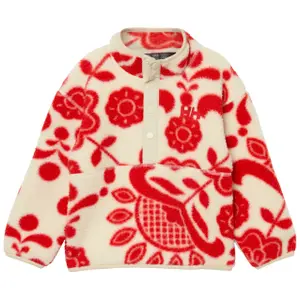

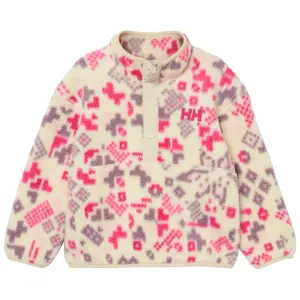
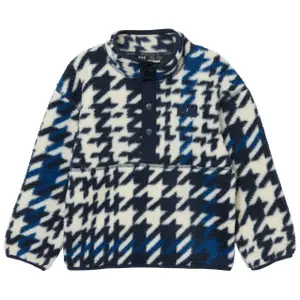


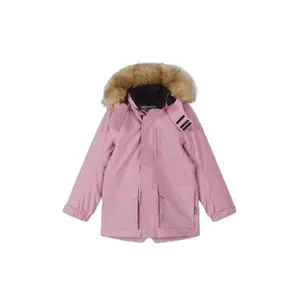


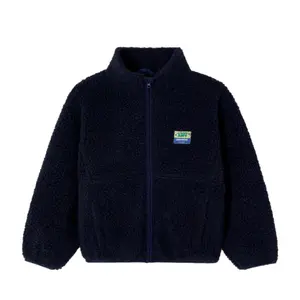
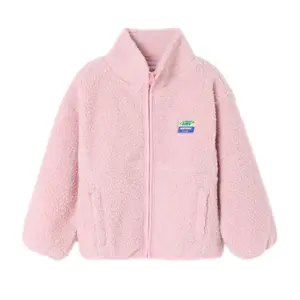


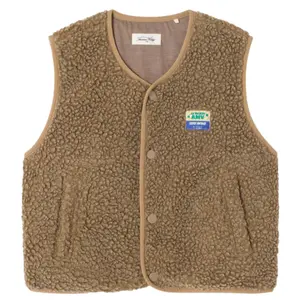
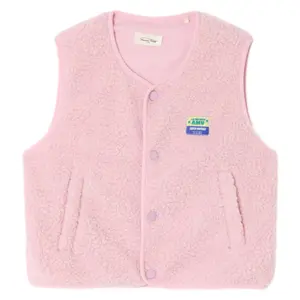
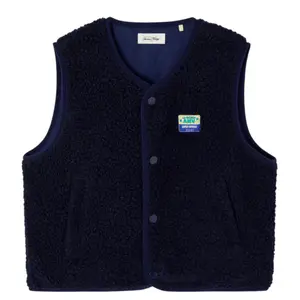


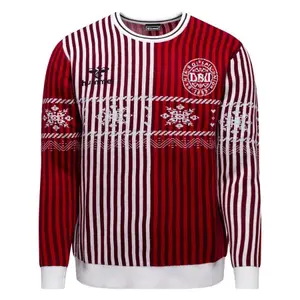
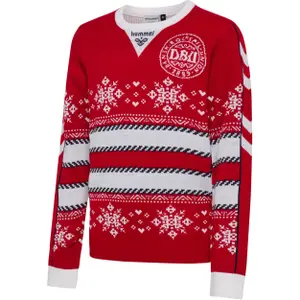

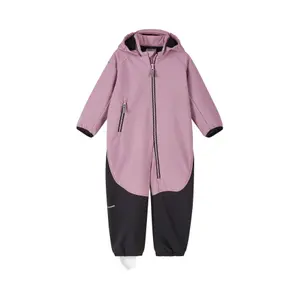
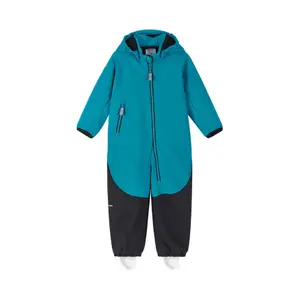


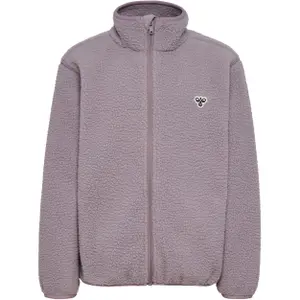
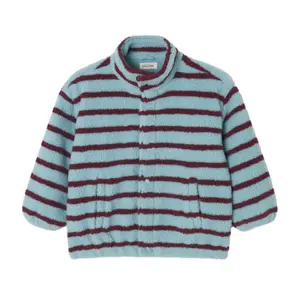
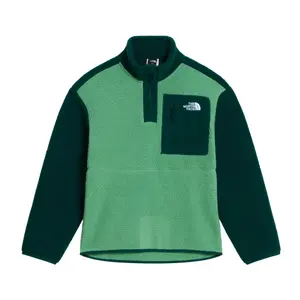
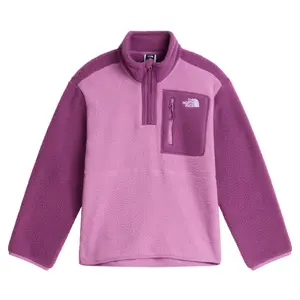
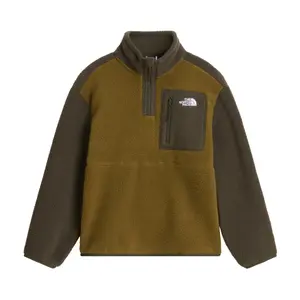
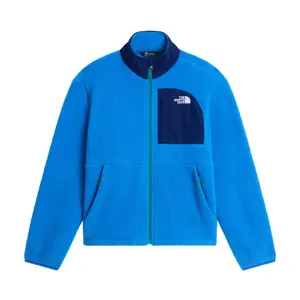
A boys' jumper bridges the gap between the changing seasons and winter: under a parka in the morning, on its own in class in the afternoon. A cardigan, meanwhile, can be opened or closed as the heating changes. This page brings together cotton and wool jumpers, Breton-style striped jumpers and more playful printed styles, to dress boys from nursery through to secondary school.
A knit for every temperature.
Jumper or cardigan: the origin and purpose of each
A jumper is pulled over your head: a crew neck to wear over a T-shirt, a V-neck or a zipped funnel neck that lets a shirt collar show. With no opening at the front, it keeps you warmer. The cardigan gets its name from James Brudenell, the seventh Earl of Cardigan, who led the Charge of the Light Brigade during the Crimean War in 1854; according to accounts, he and his officers wore knitted wool jackets buttoned at the front.
A cardigan opens in one easy move, making it the ideal knit for overheated classrooms and children who are sometimes cold and sometimes hot.
Sweatshirts, shirts and jackets to wear with a jumper
A jumper goes well with several other items. For a sportier look, boys' sweatshirts in fleece do the same job, with the added bonus of a hood. Under a V-neck, shirts make a smart outfit for a party or school photo, while long-sleeved T-shirts make a first layer for everyday wear. Over the top, jackets and coats complete the outfit outdoors.
The Armor-Lux fisherman jumper and Desigual patterned jumpers
Armor-Lux was founded in Quimper in 1938, when Swiss engineer Walter Hubacher set up Bonneterie d'Armor; its name combines the Breton ar mor, meaning the sea, and the Latin lux, meaning light. The Binic fisherman jumper, named after a small port in Côtes-d'Armor, has the close-knit fabric and straight cut of the work jumpers worn by Breton sailors. Traditional fisherman jumpers often button at the shoulder, making them easier to pull over a child's head.
By contrast, Barcelona-based brand Desigual, founded in 1984, goes for bold patterns: the Axel jumper and the crew-neck jumper with a Mickey Mouse print are made for boys who love bright colours and eye-catching designs.
Wool, merino or cotton: choosing a knit for your child
Wool is still the warmest fibre for the same thickness, and it continues to insulate even when slightly damp. Merino wool has very fine fibres and is hardly itchy at all: it's the best choice for children with sensitive skin, who often refuse to wear traditional woollens. Knitted cotton is cooler and can be machine washed without any special care, making it suitable for mid-season and for children who get hot easily.
For sizing, choose your child's usual age size: an oversized jumper can lose its shape at the cuffs and let in cold air. With arms outstretched, the ribbed cuffs should sit at the wrists, and the hem should cover the waistband of the trousers.
Discounted boys' jumpers and cardigans before winter
It's best to buy a jumper before the first cold weather arrives. Black Friday is a good time to top up your winter knits, while the festive season is a great time to give a lovely fisherman jumper. The winter sales are a chance to buy the next size up before the cold weather ends; in spring, the French Days focus on cotton cardigans, and the summer sales let you get ready for the new school year without rushing, when the clothing clearance page features the last of last year's knitwear.
Frequently asked questions
How do you wash a wool jumper without shrinking it?
Wash it in cold water or on the machine's wool programme, using a special detergent, and don't rub it or wring it out. Dry it flat on a towel, never on a hanger or in the tumble dryer: wool shrinks when heat and friction work together.
My son says his jumper is itchy. What should I do?
The feeling comes from the coarser wool fibres, which can irritate sensitive skin. Try a merino or cotton jumper, or a long-sleeved T-shirt underneath to protect the neck and wrists.
How can I stop a jumper bobbling?
Bobbling happens where the knit rubs: under the arms, at the sides and against the rucksack straps. Wash the jumper inside out, away from rough fabrics, and remove any small bobbles with a fabric shaver or wool comb.
Is a cardigan enough as an outer layer in spring?
On a mild, dry day, a thick cardigan can take the place of a jacket for the school run. It won't keep out the wind or rain, though, so keep a lightweight windbreaker in the bag for spring showers.
How should I store jumpers to stop them losing their shape?
Fold them rather than hanging them up, as the weight of the knit can stretch the shoulders on a hanger. Store them flat on a shelf, with the heaviest ones at the bottom of the pile, and place a lavender sachet or cedarwood near wool jumpers to keep moths away.











