
Bathing your baby safely and gently
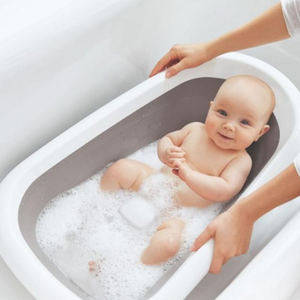
Bath time is a time for care and bonding, and it takes a little organisation: a bath that’s the right size, water checked with a thermometer, a towel close at hand and a changing area ready before you start. This selection brings together bathroom essentials for little ones, from birth to potty training.
A relaxing bath, from birth to potty training.
The right temperature for your baby’s bath
Baby bath water should be kept at around 37 °C, body temperature: paediatric services recommend not going above this, and most bath thermometer instructions give a range of 35 to 38 °C. The room, though, should be kept between 22 and 25 °C so your baby doesn’t get cold when they come out of the water.
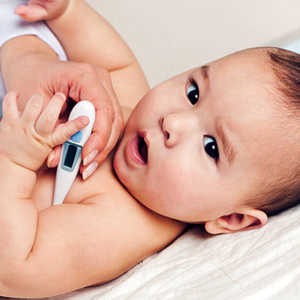
Testing the water with your elbow gives you a rough idea, but only a bath thermometer gives you a reading. Always run the cold water first, then the hot water, and mix it well before taking a reading: water that hasn’t been stirred properly can hide a scalding hot spot near the tap.
All the bathroom essentials for little ones
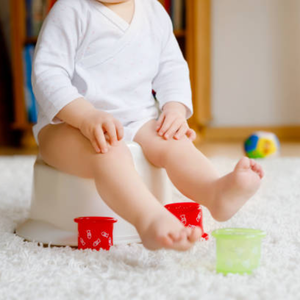
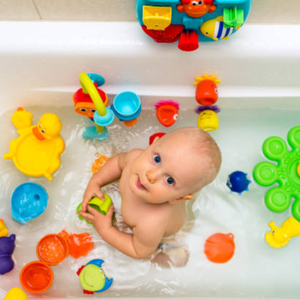
There’s a page for every stage of bath time. Baby baths include rigid, foldable and raised models, while thermometers include floating models that display the water temperature. Bath toys keep older children busy while they get washed, and accessories and equipment bring together hooded towels, towels and washcloths. For what comes next, step stools, potties and toilet seat reducers help with potty training, while changing tables provide a stable surface at a comfortable height for nappy changes.
Never leave your baby alone in the water
A young child can drown in just a few seconds, silently and in only a few centimetres of water: the rule is to never leave the bathroom during bath time, even to answer the phone or fetch a forgotten towel. If you have to leave, wrap your baby up and take them with you.
Get everything ready before filling the bath: a towel, nappy, pyjamas and toiletries within easy reach. A bath seat or bath support helps keep your child in place, but it doesn’t supervise them for you, as all the instructions point out. Empty the bath as soon as bath time is over and keep toiletries out of reach, as your child might put them in their mouth.
When and how often to bathe a child
A daily bath isn’t essential for a baby: the American Academy of Pediatrics says that three baths a week may be enough in the first year, as long as you clean their face, neck folds and bottom properly during nappy changes. Bathing too often can dry out their still delicate skin.
Choose a time when your baby is calm and neither hungry nor too full: leave some time after a bottle rather than bathing them straight afterwards. Many parents make bath time part of the bedtime routine, as warm water is soothing. At around two or three years old, bath time becomes a proper playtime, and children start washing themselves without help, always under your supervision.
Getting your baby’s bathroom ready during sales
Buy the bath and changing table before your baby is born, so you have time to take advantage of the Black Friday baby and child sale or the end-of-year holidays, which are ideal for giving bath toys as presents. The winter sales and spring French Days are a good time to finish getting everything you need; the summer sales and back-to-school season are a good time to move on to a step stool or toilet seat reducer when your child is ready for potty training. End-of-line bargains can be found in the baby and child clearance section.
Frequently asked questions
Should you give a child with a fever a lukewarm bath?
This is no longer routinely recommended: a lukewarm bath does little to bring their temperature down and may make them more uncomfortable. If they like the water and feel at ease in it, a bath is still an option; the main thing is to keep them lightly dressed and give them plenty to drink.
At what age can a child wash themselves?
There’s no agreed age: children become more independent gradually, often at around six or seven. Before then, an adult should stay in the room throughout bath time; after that, stay nearby with the door open and check the water temperature yourself.
Is bubble bath suitable for young children?
In moderation: bubbles can irritate sensitive skin and mucous membranes, particularly in girls. Choose a gentle, fragrance-free wash designed for children, and rinse their skin well with clean water at the end of the bath.
Bath or shower: which should you choose for a three-year-old?
Both are suitable. A shower is quicker on busy evenings; use a non-slip mat and check the water temperature beforehand. A bath has the advantage of being fun and relaxing, which helps many children accept having their hair washed.
How can you stop your baby slipping in the bath?
Use a bath that’s the right size, a bath support or a non-slip mat, and always keep one hand under your baby’s neck and shoulders until they can sit up. Rinse the soap off your hands before lifting them out of the water.













