
Potties, toilet reducers and step stools for potty training
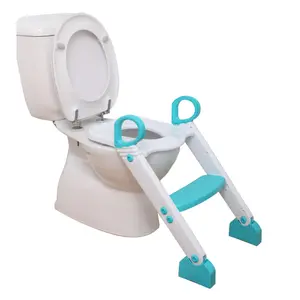
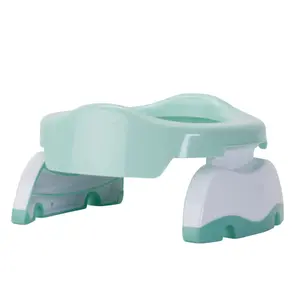
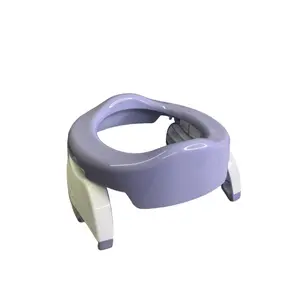
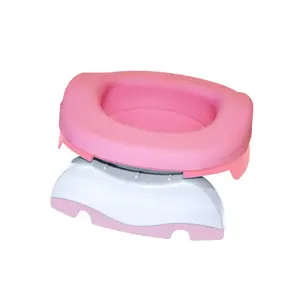
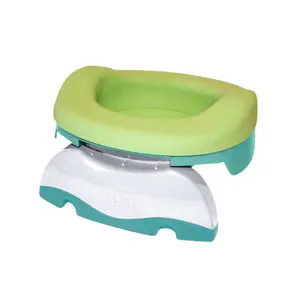
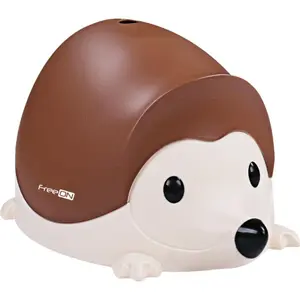
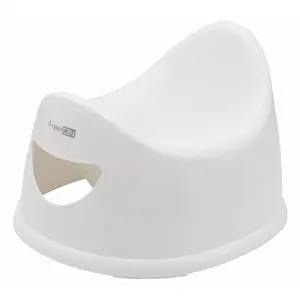
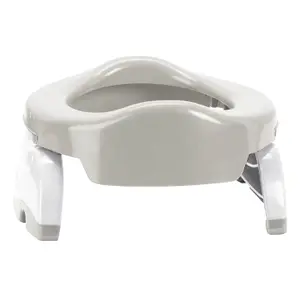


The potty and toilet seat reducer, along with the step stool, help with a big milestone: potty training, which usually happens between ten-eight months and three years. Chosen well, they let your child sit down on their own, safely and with their feet supported, then wash their hands at the sink like a grown-up.
The right tools for saying goodbye to nappies.
Signs that a child is ready for the potty
There is no fixed age: signs of readiness most often appear between eighteen and twenty-four months, and daytime toilet training is generally achieved before the age of three. A child is ready when they stay dry for several hours at a time, show an interest in grown-ups' toilets, show discomfort in a dirty nappy and understand simple instructions.
There is no need to force it: learning often takes several months, with accidents being normal, and a child who is pushed too soon may dig their heels in. Put the potty out a few weeks in advance so they can get used to it, sitting on it fully dressed, then offer it at regular times, after waking up or after meals. Night-time dryness comes later, and bedwetting should not cause much concern before the age of four.
Other bathroom essentials
Potty training is part of everyday life in the bathroom. Changing tables are still useful for night-time nappy changes, and baby baths are used until it's time to move on to the full-size bath. Accessories and equipment include towels and bathroom linen, thermometers help check the water temperature, and bath toys make bath time more fun.
Potty or toilet seat reducer: which should you choose?
- A potty sits on the floor, at the child's height, so they can sit on it by themselves with their feet flat on the floor. This position makes it easier to push. It can be moved from room to room and reassures children who are intimidated by grown-ups' toilets.
- A toilet seat reducer fits onto the seat and makes the opening smaller: the child uses the proper toilet straight away, avoiding an extra step later on. They will need a step stool to climb up and keep their feet supported.
- Convertible models that combine a potty, seat reducer and step stool suit families who want to switch between them without buying lots of separate items.
A step stool helps children become more independent every day
A step stool is useful for much more than the toilet: it lets a child reach the sink so they can wash their hands and brush their teeth by themselves, building good hygiene habits alongside toilet training. Choose a wide step with a non-slip surface on top and underneath, so it won't slide on wet tiles.
A low, stable step is suitable for younger children; two-step models reach higher sinks but require better balance. Always put the step stool back in the same place, by the sink or toilet, so it becomes a familiar part of the routine, and teach your child to step down facing the step rather than jumping off.
Getting ready for potty training during the sales
Buy a potty and seat reducer a few weeks before you get started, so you have time to choose the right moment. The Black Friday baby and child sale and the end-of-year festive season are good times to get ready in advance. The winter sales and spring French Days fall just before summer, a time many families choose to ditch nappies. The summer sales and back-to-school season are handy for starting nursery, while the baby and child clearance section features end-of-line products.
Frequently asked questions
Should you start potty training in summer?
Many parents choose summer because children wear fewer layers and can stay in pants at home. But what matters is whether your child is ready, not the time of year: it's better to wait for signs that they're ready than to follow a timetable.
How do you clean a potty or seat reducer?
Empty the potty into the toilet after each use, rinse it and wash it with hot, soapy water. Regularly disinfect both the potty and seat reducer with a suitable product. Models with a removable bowl are much easier to clean.
How should you deal with little accidents?
Stay calm and matter-of-fact: change your child without telling them off or making a big deal of it, as shame can make learning harder. Praise each success instead, and pack spare clothes in the bag when you go out.
Can a nursery school refuse a child who is not toilet trained?
No: the French Ministry of National Education says that being toilet trained cannot be a condition of enrolment or attendance. Just let the teacher know and provide spare clothes for the first few weeks.
Will a seat reducer fit every toilet?
Most seat reducers fit standard oval or round toilet seats, with a rim that holds them in place. Check the shape of your toilet seat and make sure the reducer has non-slip pads to stop it moving when your child sits down.











