
Changing tables: safe nappy changes at the right height
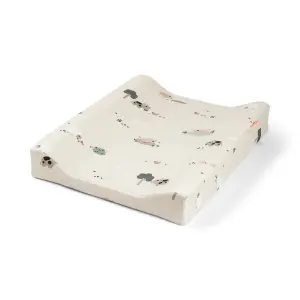
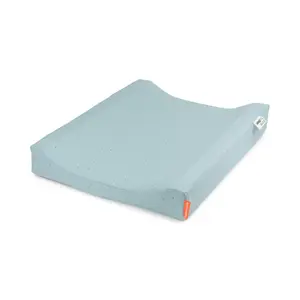
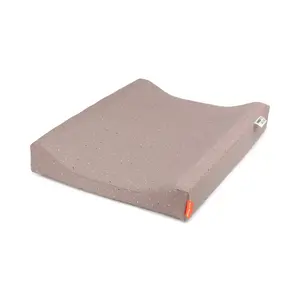
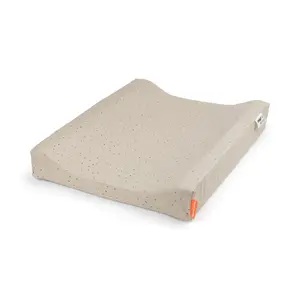
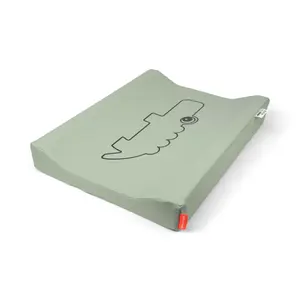
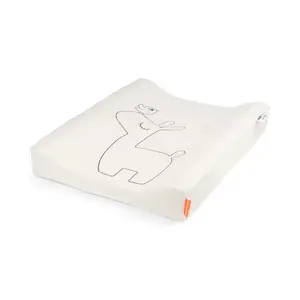
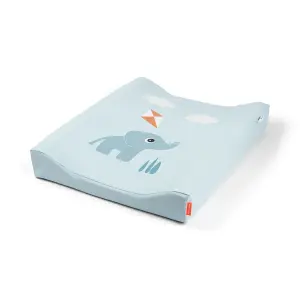
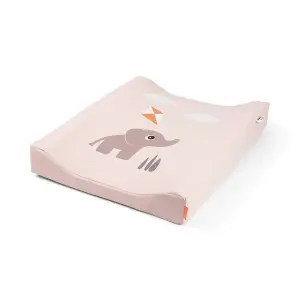
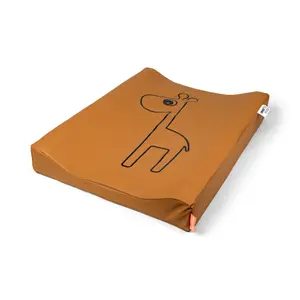
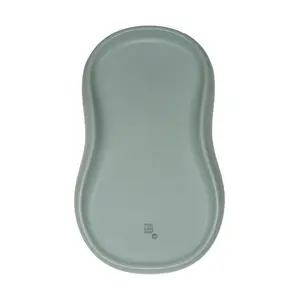
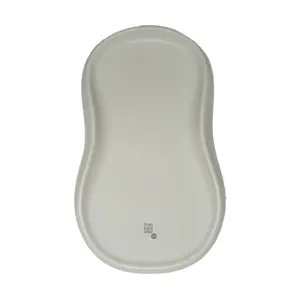
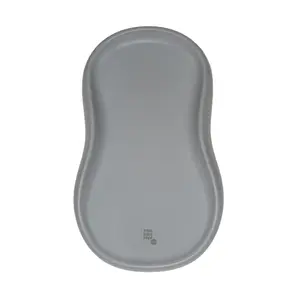
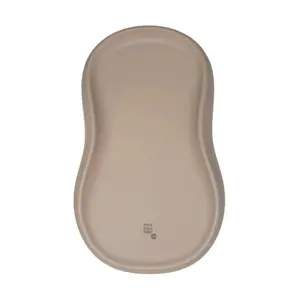









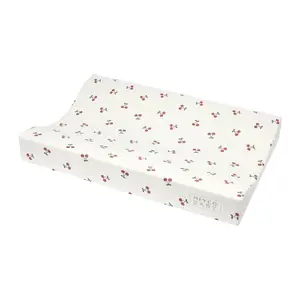


The changing table is one of the most-used pieces of furniture during the first few months, with several nappy changes a day. Folding away after use, wall-mounted to save space, with or without a built-in changing mat, it must above all provide a stable surface, raised edges to keep your baby safe and a height that’s kind to your back.
A changing area designed with your back in mind.
Folding, wall-mounted or with a changing mat
- A folding changing table on legs folds away and can be stored against a wall or behind a door between changes, like Essentiel’s folding model.
- A wall-mounted changing table is fixed to the wall and folds flat: it takes up almost no floor space, which is a real plus in a small bathroom. Essentiel offers one on its own or with a changing mat built in.
- A changing table with drawers combines a changing surface and storage, but you’ll need a fairly large bedroom to fit it in.
In all cases, keep nappies, wipes and spare clothes within easy reach, so you never have to let go of your baby during a change.
Organising the changing and bathing area
The changing table is often at the heart of the bathroom. Baby baths can be placed nearby so you can move straight from bath time to changing, while accessories and equipment include towels and bath ponchos to put on the changing surface. Thermometers check the water temperature, bath toys keep the wrigglier ones occupied, and step stools, potties and toilet seat reducers come into their own when potty training starts.
Height, raised sides and EN 12221 standard
Changing tables for home use are covered by the European EN 12221 standard, which checks their stability, the strength of the changing surface and the presence of side guards to reduce the risk of rolling off. Manufacturers generally intend them for children up to around twelve months old, or up to the maximum weight stated in the instructions.
For your comfort, the changing surface should be roughly level with the navel of the person changing the baby: if it’s too low, you’ll have to bend your back; if it’s too high, your shoulders will get tired. For a wall-mounted table, agree on the fixing height with both parents, and use wall plugs suited to the type of wall, whether plasterboard or concrete.
Never leave your baby unattended on the changing surface
Falls from changing tables are among the most common accidents involving babies at home, and a baby may roll over much earlier than you think. The rule is simple: always keep one hand on your baby, even with raised sides, and never turn away to grab a nappy.
If you need to step away, put your baby on the floor on a mat, or take them with you. Don’t leave toiletries or small objects within reach on the changing surface, and regularly check the fixings on a wall-mounted table as well as the joints on a folding table. The changing mat, with its washable or waterproof cover, should be cleaned after every messy change.
Buying a changing table during sales
Set up the changing table before the birth, ideally a few weeks before the due date. Black Friday baby offers and the end-of-year sales are well timed for spring babies; the winter baby sales and spring French Days for summer babies; then come the summer sales and the back-to-school period. End-of-line models can be found in the baby clearance section.
Frequently asked questions
What should I do when my baby wriggles too much on the changing table?
Give them something to hold, talk or sing to them to keep their attention, and get everything ready before laying them down to make the change quicker. When they become very wriggly, at around one year old, changing them standing up or on the floor is often easier and safer.
Are there changing tables for children with disabilities?
Yes, there are specialist changing tables that are longer and sturdier for older children who need to be changed lying down. They are classified as adapted medical equipment and should be chosen with the occupational therapist who supports the child.
Is a wall-mounted changing table really sturdy?
Yes, if it is fixed to a load-bearing wall or secured with wall plugs suited to the partition, following the instructions. Press down firmly on the surface to test it before the first change, and tighten the screws from time to time.
Can I put the changing table in the bathroom?
It’s actually handy to have it near warm water, as long as the room is well heated and the changing surface is kept away from splashes. A wall-mounted or folding table is particularly well suited to small bathrooms.
Which changing mat should I choose?
A changing mat with raised edges and a waterproof cover that can be wiped clean is the most practical option. A machine-washable cotton terry cover adds softness and avoids cold plastic touching your baby’s skin.











