
Bath toys: water play at every age


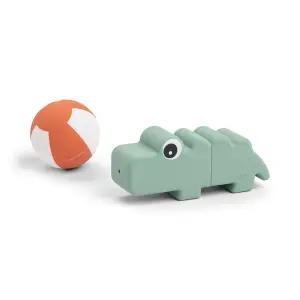
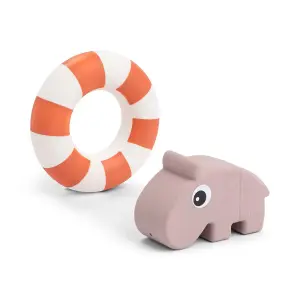
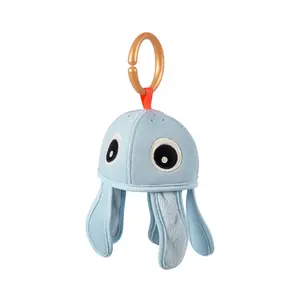
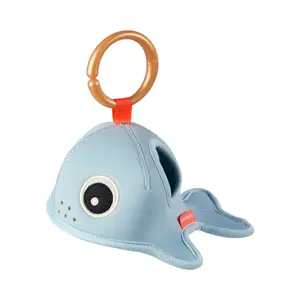

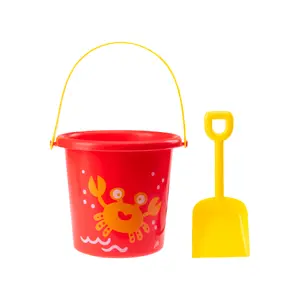
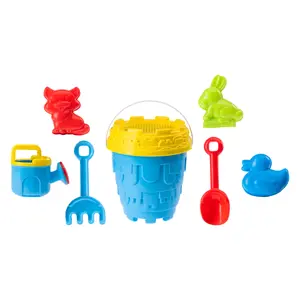
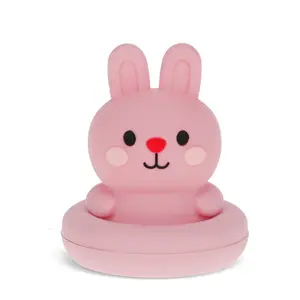
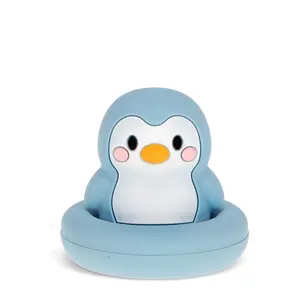
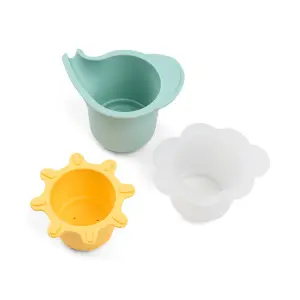
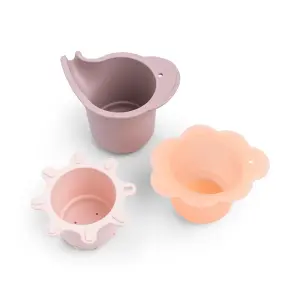


Bath toys turn bath time into playtime: they keep your baby occupied while you wash their hair, help them discover the properties of water and develop their fine motor skills. From foam characters that soak up water to fishing games and wind-up animals that swim by themselves, each toy is suited to a different age and has its own hygiene rules.
Bath time becomes playtime.
Which bath toy to choose for your child’s age
In the first few months, babies mostly watch: colourful shapes floating nearby are enough to catch their attention. Once they start deliberately grabbing objects, at around four or five months, squeezy toys take over, such as the Zoggy Soakers from Zoggs, a swimming brand founded in Australia in 1992: foam characters that soak up water and release it when squeezed.
Between one and three years old, fishing games, such as the Sea friends from Danish brand Done by Deer, along with watering cans and stacking cups, help develop hand-eye coordination. From the age of three, wind-up toys, such as the wooden shark from Rex London that moves on its own when placed in the water, delight older children.
Getting the rest of bath time organised
Toys are only one part of bath time. Baby baths adapt bath time to your baby’s size, thermometers check the water before you start, and accessories and equipment include hooded towels and towels for when bath time is over. Changing tables provide a place for drying off, while step stools, potties and toilet seat reducers help your child become more independent.
Bath toy safety: the EN 71 standard
Every toy sold in the European Union must carry the CE mark and comply with the EN 71 standard, which covers mechanical strength, flammability, chemical composition and small parts, among other things. The crossed-out ‘0–3’ symbol indicates a toy is not recommended for children under three, generally because it contains parts a young child could swallow.
Follow the minimum age recommendation carefully, especially for wind-up toys, whose mechanism is not intended for babies. Check foam toys regularly: a piece bitten off by a little tooth can cause choking. A bath toy is still a toy, not a flotation aid, and it never means you can leave your child unattended.
Preventing mould in bath toys
Hollow squeezy toys with a small hole draw in water, which then sits inside. A study carried out in Switzerland and published in the journal npj Biofilms and Microbiomes in 2018 found dense colonies of bacteria and fungi inside used bath ducks.
To reduce this risk, choose toys without holes, made in one piece, or models that open in half so they can be cleaned and dried. After each bath, empty the toys, rinse them with clean water and leave them to dry in a net or a ventilated basket, never in standing water. Throw away any toy that releases cloudy water or black spots.
Bath toys to give throughout the year
Lightweight and always welcome, bath toys are easy to slip into a Christmas stocking or a new-baby gift. The Black Friday baby and child care event kicks off shopping before the end-of-year holidays, the peak season for toys. The winter sales, the spring French Days, the summer sales and the start of the school year are good times to replace worn-out toys, while new baby and child care products showcase the latest models.
Frequently asked questions
What bath toy should I give a one-year-old?
At one year old, children love filling, emptying and squeezing things: a fishing game with large soft pieces, stacking cups or foam characters are ideal. Check that every piece is too large to fit in their mouth.
Can bath toys go in the dishwasher?
Only if the manufacturer says so: some hard plastic or silicone toys can go in the top rack, but heat can damage foam, wood and mechanisms. If in doubt, wash them by hand in soapy water.
Are wooden bath toys a good idea?
Yes, if they are designed for use in water, have a suitable finish and are air-dried after every bath to stop them swelling or going black. Solid wood with no hollow parts does not hold water like a hollow squeezy toy.
How many toys should I leave with my child during bath time?
Two or three are enough: too many can distract your child and take up space in the water. Rotate the toys from week to week to keep your child interested without buying new ones.
Can bath toys help a child who is afraid of water?
Often, yes: a watering can or a familiar character can distract them while you rinse their hair, a moment many children dread. Let your child pour water on their toy, then on their hands, so they can get used to water at their own pace.











