
Baby pushchairs, from birth to four years old
A pushchair should first be chosen to suit your lifestyle: narrow pavements and public transport, country lanes, the boot of a small city car or two children to take out. A three-in-one travel system, a compact model that folds with one hand, a three-wheeled all-terrain pushchair or a tandem double pushchair—each style suits a different need, with models from ABC Design, Hauck, Lionelo or Caretero.
The right chassis for your everyday journeys.
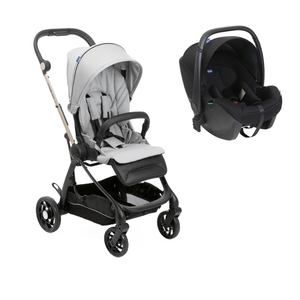
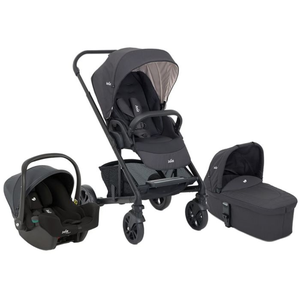
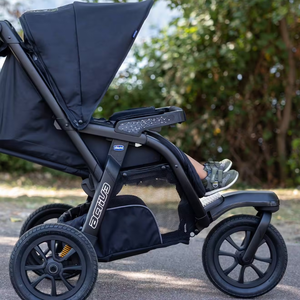
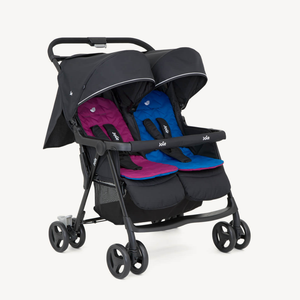
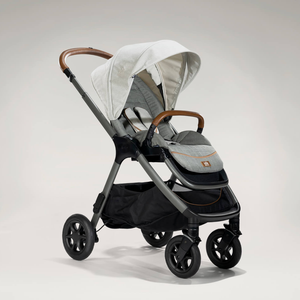
Combination, compact, three-wheel or double: which style?
- The 2-in-1 pushchair combines a carrycot and seat on the same frame; the 3-in-1 version adds a car seat, so you can go from car to stroll without waking your baby.
- The compact pushchair, or buggy, prioritises a light weight and quick folding for public transport and travel.
- The three-wheel pushchair, with its large inflatable tyres, handles paths, gravel and uneven pavements, and some models are approved for running.
- The double pushchair takes two children close in age or twins out and about, with seats side by side or in a line, one behind the other, to keep the width reasonable.
Pushchairs by style
There’s a selection for every style. 2-in-1 pushchairs combine a carrycot and seat, while 3-in-1 pushchairs add a car seat. For paths and running, see the three-wheel pushchairs; for two children, the double pushchairs. Simple, compact models can be found among the classic pushchairs.
Five pushchairs, five uses
The Salsa Run by ABC Design is a three-wheel pushchair approved for running: inflatable tyres, a handbrake on the handlebar and a lockable front wheel for running in a straight line, with a sports seat suitable up to 22 kg. The Travel N Care Plus by Hauck weighs 7.2 kg, folds with one hand, stands upright when folded and reclines to accommodate a newborn. The Mika Plus by Lionelo combines a carrycot, seat and i-Size car seat in one 3-in-1 set.
The Elma by Caretero features a sturdy, lightweight frame, foam wheels and a simple fold for city use. Finally, the Zoom by ABC Design seats two children in a line: it’s narrow, it fits through doorways easily and each seat can take a sports seat, car seat or carrycot.
Weight, folding and wheels: everyday essentials
Weight matters when you need to carry the pushchair up stairs or lift it into the boot: a compact model can be handled with one hand, while a fully equipped combination pushchair often weighs over ten kilos. Try out the folding mechanism: with one or two hands, in one or two steps, and with or without removing the seat. Check that the folded pushchair fits in your boot.
As for wheels, foam or solid rubber tyres never puncture and are fine for the city; inflatable tyres absorb bumps better on paths, but you’ll need to check the pressure. An adjustable-height handlebar stops taller parents from bumping into the rear axle, while a roomy basket under the seat takes the strain off your back.
When to buy a pushchair during the year
A pushchair is often the biggest purchase in your baby’s kit, so it’s worth looking out for the right times to buy. Black Friday baby deals kick things off, followed by the end-of-year sales and then the winter baby sales. The spring French Days, summer sales and back-to-school period round out the calendar. You can often find last season’s model in the baby clearance, while the latest frames are in new baby products.
Frequently asked questions
Up to what age does a child use a pushchair?
Most pushchair seats take a child up to 22 kg, which is around four years old. Many children walk on shorter journeys before then, but a pushchair is still useful for long days out, naps in town or travelling.
How do you look after a pushchair?
Brush sand and mud off the wheels and joints after outings, wipe down the frame and leave it unfolded to dry after rain. A drop of silicone lubricant on the axles – never heavy oil, which attracts dust – keeps it folding smoothly.
Do you need a special pushchair for running?
Yes. Only pushchairs approved for running, with a lockable front wheel, handbrake and wrist strap, are suitable. In general, wait until your child can hold their head up steadily and is in the seat, at around six months, and follow the instructions.
Double pushchair: tandem or side by side?
Side by side, both children see the same things, but the width can be awkward in doorways and shops. A tandem pushchair fits through most places like a single pushchair, but it’s longer and the rear seat has less room.
How do you use a pushchair brake properly?
Apply the parking brake whenever you stop, even briefly, and give the pushchair a gentle push to check that the wheels are locked. On a station platform or slope, keep one hand on the handlebar: if the brake isn’t properly applied, the pushchair could roll away on its own.













