
Pushchairs for taking your baby, then your child, out for a stroll
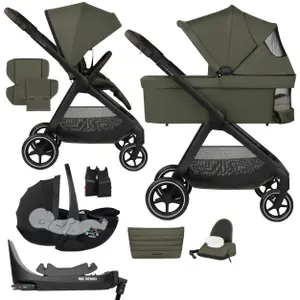
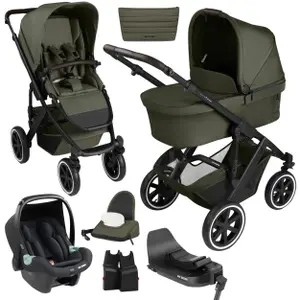
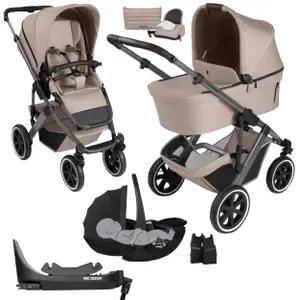
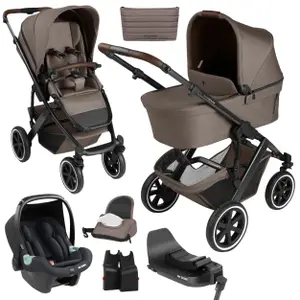
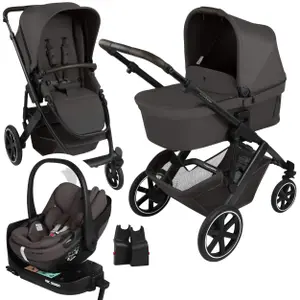
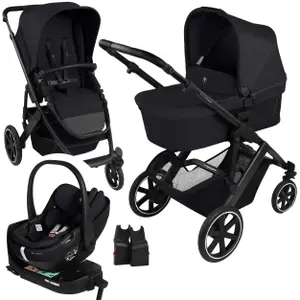
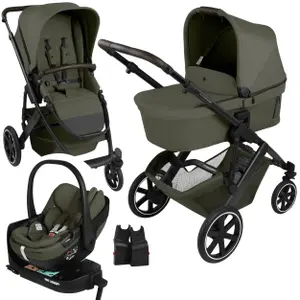
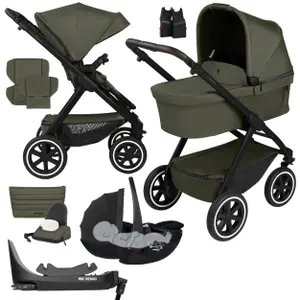
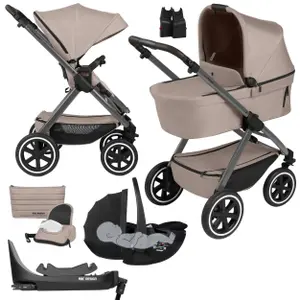
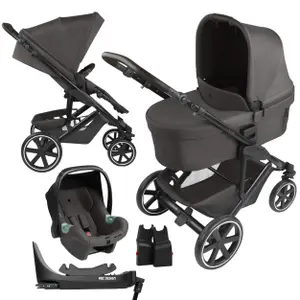
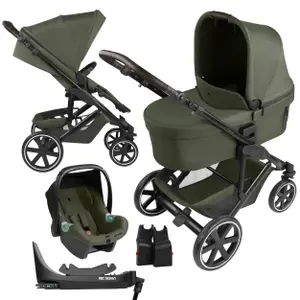
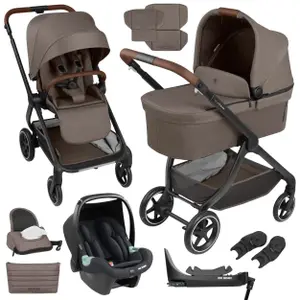
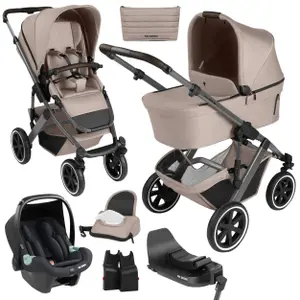
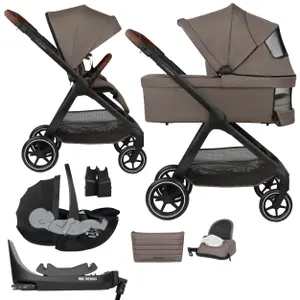
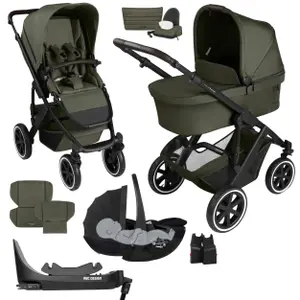
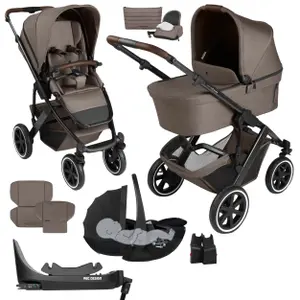
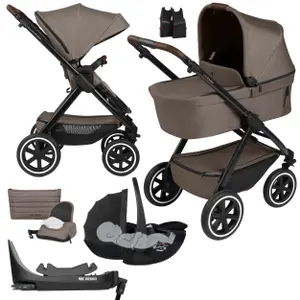
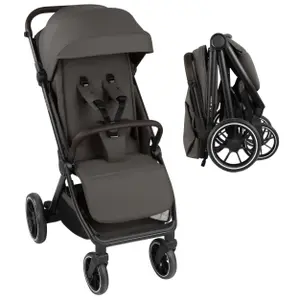
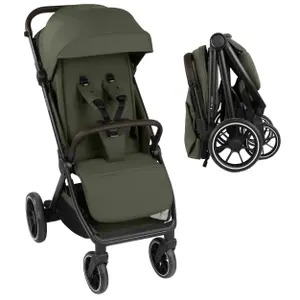
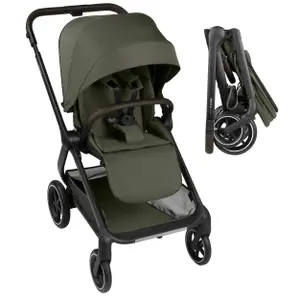
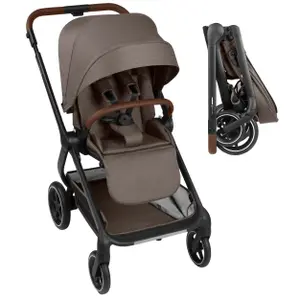
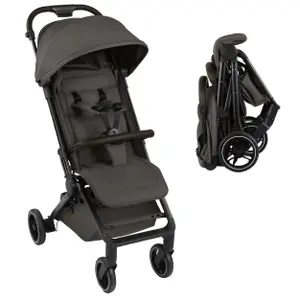
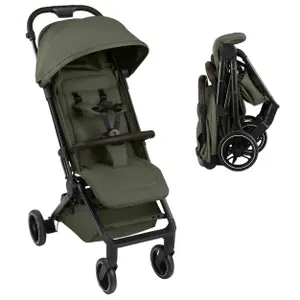
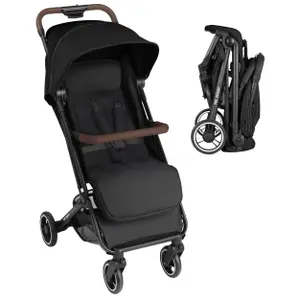
A pushchair accompanies your child from their very first outings until they can walk for long enough without needing one. The right model depends on their age when you start using it, your day-to-day routine and your car boot: a lightweight umbrella pushchair for town and travel, a travel system with a carrycot for a newborn, a three-wheeler for country paths, or a double pushchair for two children.
The pushchair for every age and every journey.
Which type of pushchair to choose for your child's age
Before six months, a baby needs to travel lying flat: their back and neck are not yet ready for a sitting position. They need a carrycot, or a seat unit that reclines fully and is approved by the manufacturer for use from birth. Once they can sit up unaided, usually at around six months, they can move to the seat unit, first facing you to stay in contact, then facing forwards when they want to see everything.
Next comes the stroller stage: your child walks part of the way and sits down when they get tired. Most seats are designed for children up to 22 kg, which gives you plenty of leeway until they no longer need a pushchair.
Travel systems, three-wheelers or doubles: types of pushchair
Each type has its own page. 2-in-1 pushchairs combine a chassis with a carrycot and seat unit to see your baby through from birth to their first steps, while 3-in-1 pushchairs also include an infant car seat that clips onto the chassis. Three-wheel pushchairs are designed for dirt tracks and running, while double pushchairs carry twins or two children close in age.
Travel stroller or full travel system
The Hauck Travel N Care Plus is a good example of a stroller designed for getting around: at around seven kilos, it folds with one hand and has a carry lock and shoulder strap, and its seat is suitable for children up to 22 kg. Hauck, a German company founded in Sonnefeld in 1923, started out weaving wicker before making pushchairs.
At the other end of the scale, the Lionelo Mika Plus combines a carrycot for the first few months, an infant car seat and a reversible pushchair seat, with a reclining backrest and five-point harness. It is a good choice before your baby is born, while a stroller such as the Travel N Care Plus is more likely to be added as a second pushchair, for holidays or visits to the grandparents.
EN 1888 standard and safety checks
In Europe, pushchairs must meet the EN 1888 standard. Part one sets out tests for brakes, stability, folding and harnesses for children up to 15 kg; part two adds requirements for seats that take a child weighing 15 to 22 kg. Check that this reference appears in the instructions or on the label.
Three things matter in everyday use. Always fasten the five-point harness, even for a short trip, as a child can slip or lean out of the seat. Apply the parking brake whenever you let go of the handle, especially on a station platform or a slope. Finally, don't hang heavy bags on the handlebar: their weight can tip the pushchair backwards when your child gets out. The basket, positioned low between the wheels, is there for this, within the stated weight limit.
Buying a pushchair before your baby arrives
People often buy a pushchair several months before their baby is due, giving them time to look out for a good deal. The Black Friday baby and child care sale comes before the Christmas period, when grandparents are often happy to buy a pushchair. The winter baby and child care sales, the spring French Days, the summer sales and then the back-to-school season follow throughout the year. End-of-line chassis are included in the baby and child care clearance sale.
Frequently asked questions
Which pushchair is best for a child who is tall for their age?
Check the height of the backrest and hood, not just the maximum weight: a tall child may outgrow the backrest well before reaching 22 kg. An adjustable footrest and a harness with high shoulder straps help make sure they don't feel cramped.
Can you take your pushchair on a plane?
Yes, airlines generally allow one pushchair per child, either checked into the hold or left at the aircraft steps. Cabin size limits vary between airlines, so check them before booking if you're looking for an ultra-compact stroller.
How do you care for a pushchair's wheels and fabric?
Regularly remove any sand and hair caught around the axles, then wipe the chassis with a damp cloth. Removable covers can often be machine-washed at a low temperature; others can be cleaned with a sponge and soapy water.
How can you tell if a pushchair will fit in your boot?
Compare the pushchair's folded dimensions, including the wheels, with the actual width and depth of your boot. Models with removable wheels or a three-fold design can often save those last few centimetres you need.
What should you check on a second-hand pushchair?
Test the brakes on a slope, check the folding lock and inspect the harness and its buckles. Ask for the instructions, which state the standard and maximum weight, and check that the model hasn't been recalled.











