
High chairs for bringing your baby to the family table
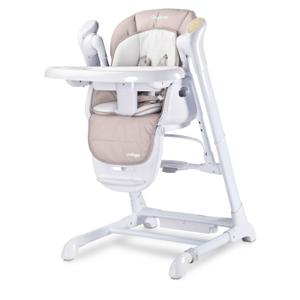
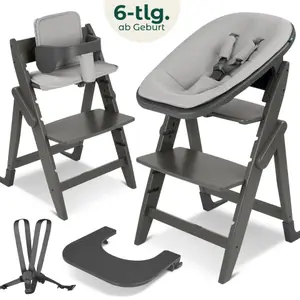
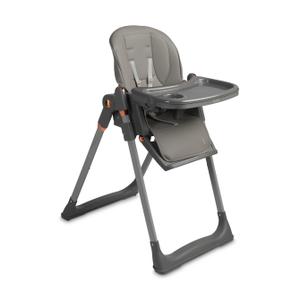
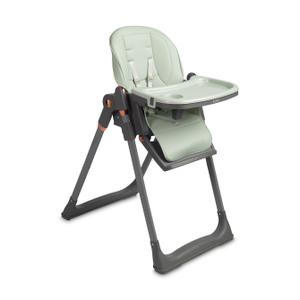
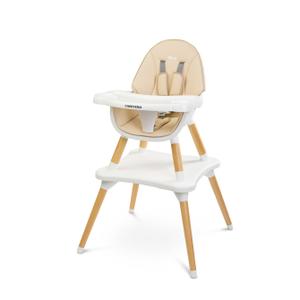
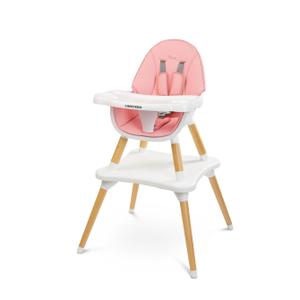
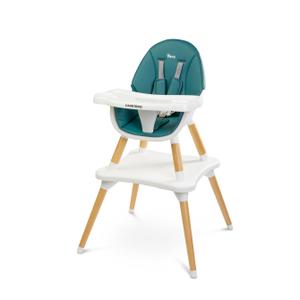

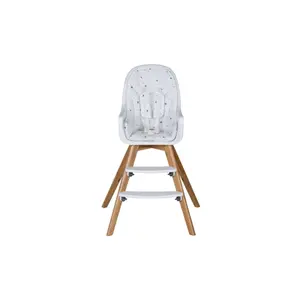
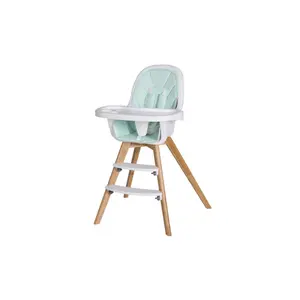
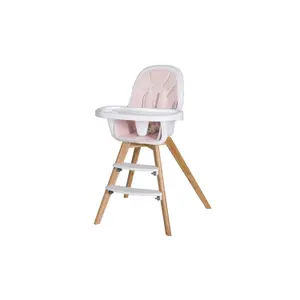
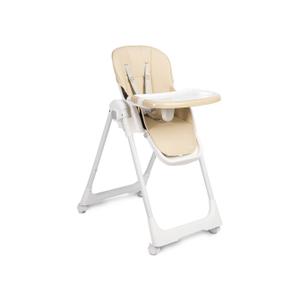
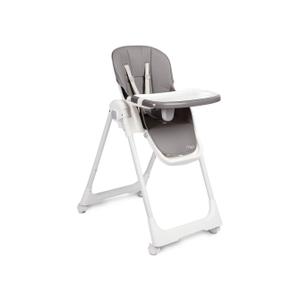
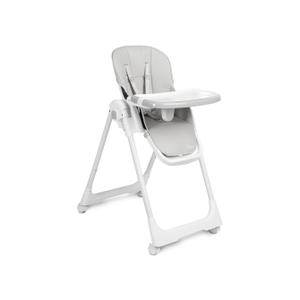
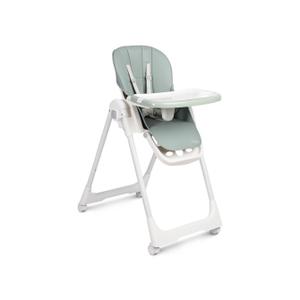
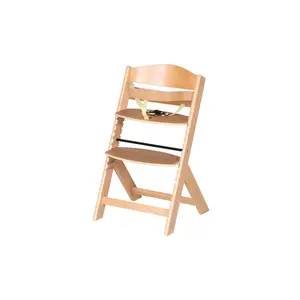
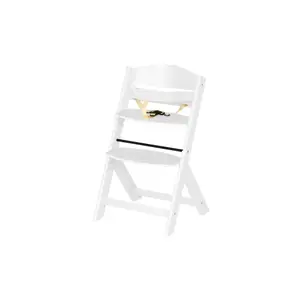
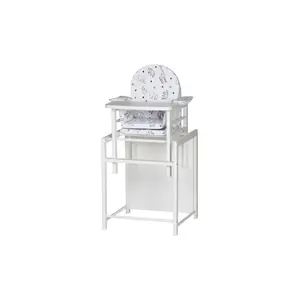
A baby high chair brings your child up to table height once they can sit up unaided, usually at around six months. A foldable, adjustable model like the Vars from Caretero, or a combination chair in solid beech like the X-Tra from Schardt: the choice depends on the space available, how long you plan to use it for and how easy it is to clean.
Baby at the table with the whole family.
Folding or wooden convertible high chairs
The folding high chair focuses on adjustability and storage. Caretero’s Vars is a good example: the seat has several height settings, the backrest and footrest are adjustable, and the tray is removable. After the meal, it folds up against a wall. It can be used from around six months to three years, up to a maximum weight of fifteen kilos.
The wooden convertible high chair is built to last. Schardt’s X-Tra, made from solid beech, separates into a small chair and a table at the right height for the child once they’ve grown. Heavier and less adjustable, it offers great stability and fits naturally into a wooden dining room.
Complete your mealtime setup
There are other ways to seat a child at the table. Booster seats strap onto an adult chair and come in handy on holiday or at the grandparents’ house. Once your child is seated, bibs protect their clothes from purées, while children’s tableware includes suction bowls, plates and cups that fit their tray. To prepare meals, food processors cook and blend vegetables, while formula makers and bottle warmers are still useful for morning and evening feeds.
Harness, stability and EN 14988 standard
A high chair sold in Europe must meet the EN 14988 standard, which covers high chairs for children up to three years old who can sit up unaided. It checks stability and strength, among other things, and ensures there are no areas where fingers can get trapped.
Always secure your child with the harness, ideally a five-point harness with a crotch strap: the tray alone won’t stop them slipping or standing up. Keep the chair away from worktops, walls and the edge of the table, which your child could push against with their feet and tip the chair over. Never leave them alone, even for a moment.
Position your child well at the family table
A dining table is usually around seventy-five centimetres high. The seat should put your child’s elbows just above the tabletop so they can eat with you with the tray removed. Adjustable models such as the Vars also work with a low table or kitchen island.
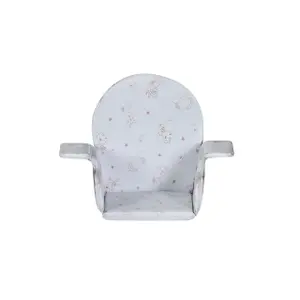
The footrest is often overlooked: dangling feet tire children and make them wriggle. Adjust it so their knees are at a right angle. Also think about cleaning: a smooth seat or washable cover, a tray that comes off without tools and fewer nooks and crannies will save you valuable time after every meal.
Make the most of offers before weaning starts
A high chair becomes useful at the start of weaning, at around six months, so this is the timing to bear in mind when buying one. Black Friday baby and child care offers and the festive season suit babies born in spring, while the winter baby and child care sales are ideal for summer babies. The spring French Days come next, followed by the summer sales and then the back-to-school period. For a spare chair at the grandparents’ house, baby and child care clearance brings together end-of-line products, while special offers round up current deals.
Frequently asked questions
At what age can you sit a baby at the table?
Once they can sit up unaided, with their back straight, which most often happens between six and nine months. Before then, a baby bouncer is a better way to include them at mealtimes, as a baby who slumps in the seat could slip under the tray.
How long should you use a high chair?
The standard covers children up to three years old, and many models have a maximum weight of fifteen kilos. After that, a booster seat strapped onto an adult chair or a convertible chair adjusted for a child can take over until they can reach the table on their own.
How do you clean a high chair after a meal?
Remove the tray and wash it in hot, soapy water, or put it in the dishwasher if it is suitable. Wipe the seat and straps with a damp sponge, wash the cover in the machine according to the care label, and use an old toothbrush to get crumbs out of the joints.
Do you need a tray, or should your child eat straight at the table?
The tray is mainly useful in the first few months, when your child eats at a different pace from you. Once they join in with family meals, removing it and bringing the chair up to the table helps them copy adults’ actions and take part in the conversation.
Is a wooden high chair safer than a plastic one?
Not necessarily: safety depends on meeting the EN 14988 standard, stability and the harness, not the material. Solid wood is heavy and sturdy, and often lasts longer; plastic is lighter, folds away and is easier to clean.













