
Baby bibs, from first purées to eating independently


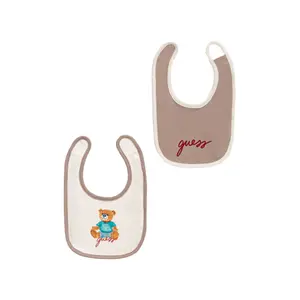


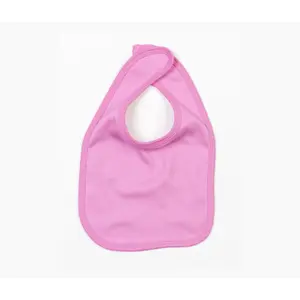
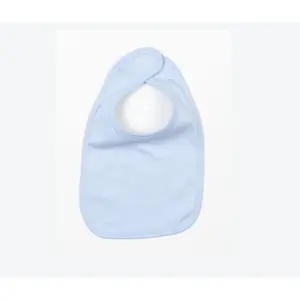


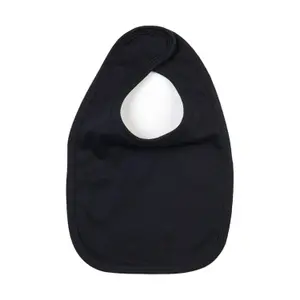
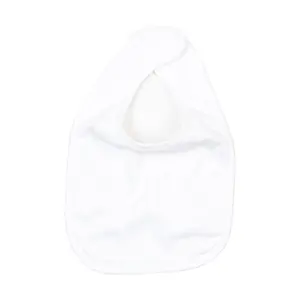
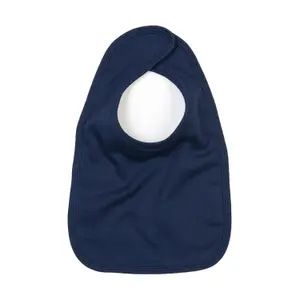
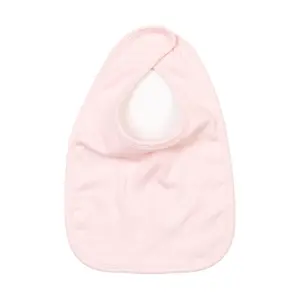
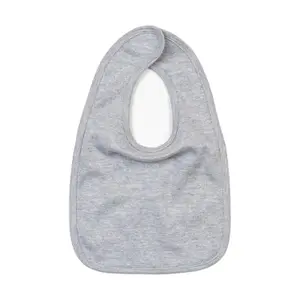


A baby bib is chosen according to the mealtime: soft cotton for dribble and bottle-feeding, oilcloth or waterproof fabric when purées arrive, and silicone with a crumb catcher or a long-sleeved bib when the child starts grabbing their spoon themselves. Done by Deer, Petit Jour, Larkwood, Baby Bites and Guess offer a range of materials and patterns for all these needs.
Meals that end with everyone clean.
Cotton, oilcloth, silicone: which material for which age?
- The cotton bib, such as the interlock cotton styles from Larkwood or the Les Poussins bib from Petit Jour, absorbs drool from teething and drops of milk from a bottle. It can go in the washing machine with the rest of the laundry.
- Oilcloth and coated fabrics, used by Petit Jour for its Moomin and Ernest et Célestine bibs and by Baby Bites for its waterproof style, keep purées off clothes and wipe clean with a sponge.
- The silicone bib from Done by Deer, with its firm pocket, catches food that falls from the spoon and rinses clean under the tap.
- A long-sleeved bib covers the arms and shoulders, making it ideal for meals when your child eats with their fingers.
Everything you need to get your baby set up at the table
Bibs are just one of the things you need for mealtimes. Highchairs bring your child up to the height of the family table, while booster seats attach to an adult chair, making them handy at the grandparents’ house. Children’s tableware includes bowls, plates and drinks bottles designed for little hands, food processors make homemade purées, and bottle makers and warmers make bottle-feeding easier. Breastfeeding has its own page: breastfeeding.
Velcro, poppers or elastic: choosing a fastening
The fastening matters just as much as the material. Velcro, found on Larkwood bibs and several styles from Done by Deer, adjusts easily and can be undone with one hand, but a curious child can soon learn to pull it off. Poppers stand up better to little hands and repeated washes, and won’t catch on the rest of the laundry.
An elasticated neck, like the one on the elasticated bib from Done by Deer, slips over the head and has no fastenings to undo. For a silicone style, check that the neck strap has several adjustment settings: it should leave room for a finger without letting purée escape. Young wizard fans will love the Harry Potter bibs from Rainbow Designs, while the tightly woven poplin bib from Guess is a good choice for older children.
Washing and making every type of bib last
Each material needs different care. Cotton bibs can be machine-washed at 40 or 60 degrees, depending on the care label. Fasten the Velcro before washing so it doesn’t catch on other fabrics or collect fluff. Oilcloth can be cleaned with a damp sponge and a little soap, and dries in just a few minutes. Avoid the washing machine and tumble dryer, which can make it crack.
Food-grade silicone can be washed in soapy water, or in the dishwasher if the manufacturer says it’s safe. If your child has several meals a day between nursery and home, keep several bibs in rotation: a quick-drying style means one is always ready for the next meal.
Discounted bibs for a baby gift list
A bib is a classic new-baby gift, often given as part of a set. Black Friday baby products and the end-of-year sales are a good time to stock up before your baby starts solids, while the winter baby products sale is a chance to snap up this year’s designs. Next come the spring French Days, the summer sales, and then the start of nursery, when you’ll need several bibs marked with your child’s name. The latest designs appear in new baby products, while end-of-line stock can be found in baby clearance.
Frequently asked questions
At what age should I put a bib on my baby?
From the first few weeks, a small cotton bib helps protect your baby’s clothes from spit-up and drops of milk during bottle feeds. Waterproof and silicone styles come in handy when you start weaning, usually between four and six months.
Can I leave a bib on my baby during a nap?
No, always take the bib off before putting your child down to sleep. Fabric tied around the neck can pose a strangulation risk if it catches on the cot bars, and a wet bib can make the skin around the neck cold.
How do I remove stains from a cotton bib?
Rinse the stain in cold water as soon as possible, as hot water sets the proteins in milk and egg. Then rub in a stain-removing soap before putting it in the washing machine. For carrot or beetroot stains, drying the bib in the sun often does the trick.
Which bib should I choose for a three-year-old?
At this age, choose a bib that covers the chest and thighs well, or a long-sleeved bib that comes down to the waist. Larger than newborn bibs, poplin or coated-fabric styles are suitable for children who eat by themselves.
How many bibs should I provide for nursery?
Some nurseries provide mealtime laundry, while others ask for bibs marked with your child’s name. If that’s the case, allow at least two bibs for each day at nursery, plus a spare at home, and choose styles that dry quickly.











