
Breast pumps for expressing and storing breast milk
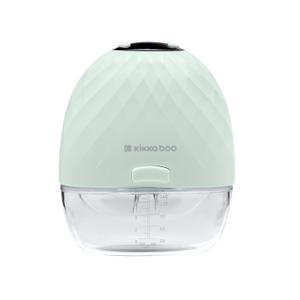
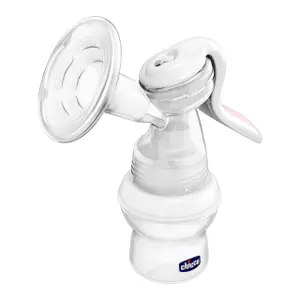
A breast pump lets you collect your milk so someone close to you can give your baby a bottle, relieve engorgement or prepare to return to work without stopping breastfeeding. Manual for occasional use, single or double electric for daily sessions, or worn in your bra to keep your hands free: the right model depends on how often you express milk.
Express milk at your own pace.
Manual, electric or hands-free breast pump: how to use each type
- A manual breast pump works with a hand-operated handle: quiet, lightweight and battery-free, it is suitable for occasional expressing, such as before an evening out or to relieve an overly full breast.
- A single electric breast pump mimics a baby's suck with a motor and several intensity settings; it quickly becomes essential if you need to express several times a day.
- A double pump expresses from both breasts at the same time, making each session much shorter and saving you valuable time when you return to work.
- A hands-free breast pump fits inside your bra and collects the milk in a closed cup, so you can express while doing something else.
Accessories to use when expressing
Expressing is just one part of bottle-feeding. Once the milk has been collected, bottle warmers gently bring it to the right temperature, while sterilisers disinfect breast pump shields, valves and bottles. Nursing pillows support your baby and ease the strain on your back during breastfeeding, while dummies soothe their need to suck between feeds. You can find everything on the breastfeeding page.
Choosing the right breast shield size
The breast shield, the funnel-shaped part placed over the breast, affects both comfort and how much milk is collected. To choose the right size, measure the diameter of your nipple at its base, not including the areola, preferably just after a feed. Most manufacturers recommend adding a few millimetres, but each brand has its own guide, which should take priority.
A well-fitting breast shield lets the nipple move freely in the centre of the tunnel, without rubbing against the sides or drawing in a large part of the areola. Pain, redness or a low milk flow are often signs that the size is wrong. As nipple size can change over the weeks, measure it regularly.
Cleaning the pump and storing expressed milk
All parts that come into contact with milk—the breast shield, valve, membrane and container—should be taken apart and washed in hot, soapy water after every session, then left to air-dry. Choose a closed-system model: a barrier stops milk from reaching the motor and tubing, making cleaning easier and reducing the risk of mould.
For storage, the most commonly given French guidelines are around four hours at room temperature, forty-eight hours in the coldest part of the fridge at no more than four degrees, and four months in the freezer. Write the date on each container, divide the milk into small amounts and never refreeze thawed milk.
When to get ready for breastfeeding
It is best to buy a breast pump before your baby is born or a few weeks before you return to work. The Black Friday baby care sale comes at the end of pregnancy for babies due in winter, and the festive season is a good time to add one to a baby gift list. The winter baby care sales, the spring French Days and then the summer sales come around during the year, while the start of the school year often coincides with the end of maternity leave. End-of-line items go into baby care clearance, while the latest models are on the new baby care products page.
Frequently asked questions
Is a breast pump covered by the French health service?
Hire of an electric breast pump is covered by health insurance with a prescription from a doctor or midwife, through a pharmacy or supplier. The breast shield kit must be bought separately, and your private health insurance may cover some or all of the cost of buying your own pump.
When should I start expressing after giving birth?
Unless there is a medical need, such as a premature or hospitalised baby, it is often best to wait until breastfeeding is well established, after the first few weeks, before starting to express regularly. If your breasts are engorged, a few minutes of expressing can be enough to relieve them.
Is it normal to feel pain when expressing milk?
No, expressing with the pump set correctly should not hurt. Start at the lowest intensity and increase it gradually to a comfortable level. If the discomfort continues, check the breast shield size; if the pain is severe, ask a midwife or lactation consultant for advice.
Can I use a second-hand breast pump?
Only if all the parts that milk passes through can be replaced or disinfected, as is the case with a closed-system model fitted with a new kit. With an open-system pump, milk may have reached the motor, so it is best not to reuse it.
How long does an expressing session take?
Allow around ten to fifteen minutes per breast with a single pump, and roughly the same amount of time for both breasts with a double pump. Stop a few minutes after the milk stops flowing: extending the session is no substitute for expressing more often.













