
Baby dummies and dummy clips




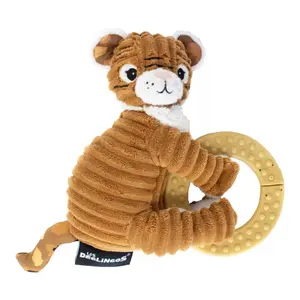
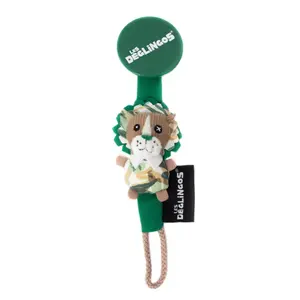
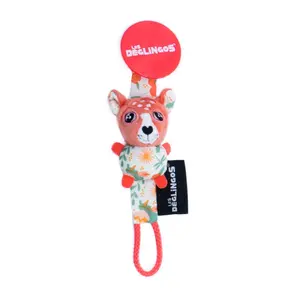
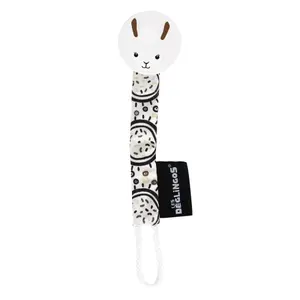
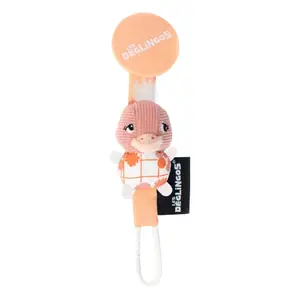

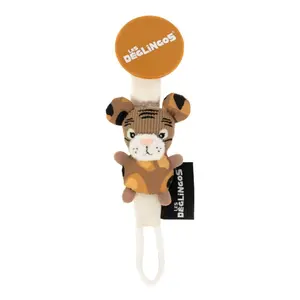
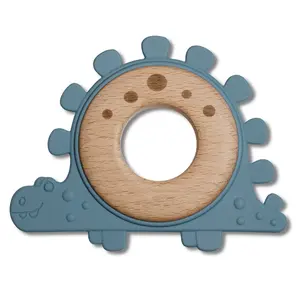
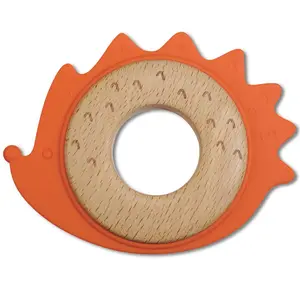
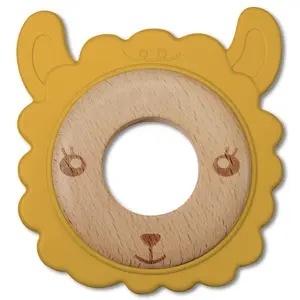
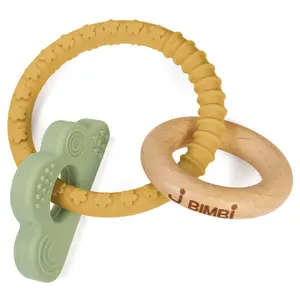
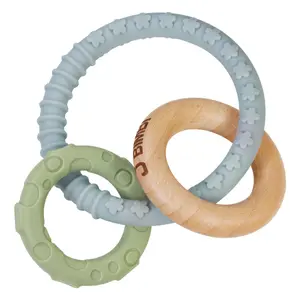
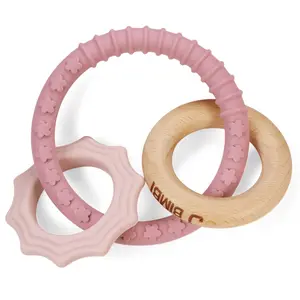
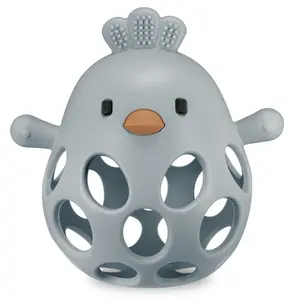
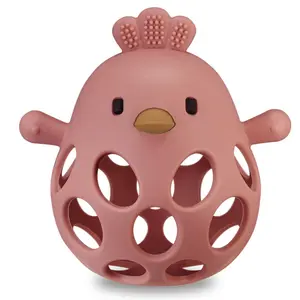

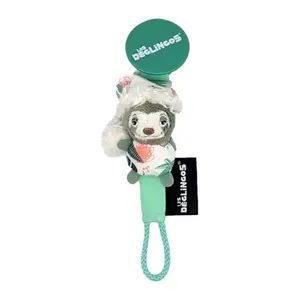
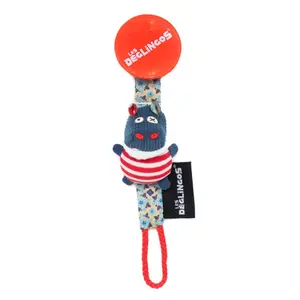

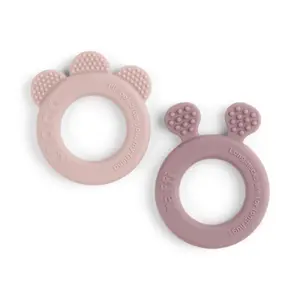
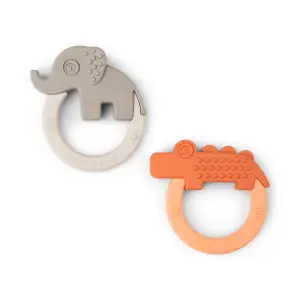
The dummy meets a baby’s sucking reflex, soothing them well beyond hunger. Chosen carefully, in a size suited to their age, made from a safe material and shaped to suit their palate, it helps them settle to sleep and through bouts of crying. A dummy clip stops it falling, and a teething ring comes into its own when their teeth start coming through.
Soothe your baby, safely.
Silicone or rubber, shape and size
Silicone is transparent, odourless, heat-resistant and easy to inspect. Natural rubber is softer and more skin-like, which some babies prefer, but it wears out faster and is not suitable for families affected by latex allergies.
As for shape, the orthodontic dummy, which is flat and asymmetrical, follows the shape of the palate and fits in one way only. The round, cherry-shaped dummy can be used either way round. Sizes are based on age, usually from birth to six months, six to eighteen months, then older: a dummy that is too small gets chewed, while one that is too big can get in the way of the tongue.
Other breastfeeding accessories
Dummies are used alongside other accessories in the first few months. Sterilisers sanitise them along with bottles, while bottle warmers warm the milk before a feed. For breastfeeding mums, nursing pillows make feeds easier, and breast pumps let them build up a supply of milk.
Safety standards: dummies and clips
In Europe, dummies meet standard EN 1400, which covers the materials, the strength of the teat and shield, and the information provided on the packaging. The shield is wide enough not to enter the mouth and has ventilation holes to let air circulate around the lips.
Dummy clips are covered by standard EN 12586: they must be no longer than twenty-two centimetres, so they cannot wrap around the neck. Never attach a dummy with a ribbon or necklace, do not attach it to the cot, and remove the clip during sleep. Homemade beaded clips, which are often untested, pose a real risk if a thread breaks.
When to offer a dummy and when to stop
For a breastfed baby, it is advisable to wait until breastfeeding is well established, usually after three to four weeks, so as not to disrupt sucking at the breast. After that, offer the dummy at bedtime rather than all the time, and never dip it in sugar or honey.
Dentists recommend limiting its use as soon as the first teeth appear and stopping at around two to three years, before it can affect the shape of the palate or the position of the teeth. Weaning is easier if done gradually: keep the dummy for bedtime, then replace it with a comforter or a bedtime routine. For teething, a teething ring cooled in the fridge, never the freezer, can soothe sore gums.
Dummies and clips at low prices
Dummies wear out and need replacing often, so it is worth keeping an eye on seasonal sales. Black Friday baby care and the Christmas period are good times to stock up, ahead of the winter baby care sales. The spring French Days, summer sales and the start of nursery follow, while new baby care products reveal the latest colours.
Frequently asked questions
How long should you keep the same dummy?
Replace it every all one to two months or so, and straight away at the first sign of wear: a crack, or a teat that is sticky, swollen or discoloured. Pull on the teat before each use to check that it is firmly attached to the shield.
How do you clean a dummy all day?
Rinse it in hot, soapy water, then in clean water, and sterilise it regularly or boil it. Avoid cleaning it by putting it in your mouth, as this can pass on your own bacteria.
Which dummy is right for a two-year-old?
A dummy sized for eighteen months and over, with an orthodontic teat suited to their jaw. This is also the age when you can start keeping the dummy for bedtime to prepare for stopping.
How do you take a dummy away from a three-year-old?
Prepare them in advance by explaining what will happen, choose a calm time and suggest a special ritual, such as giving their dummies to an imaginary character. Praise them each evening and do not offer the dummy again if they cry.
Do you need a different dummy for night-time?
Glow-in-the-dark dummies simply make it easier to find them in the dark without turning on the light. Keep two or three clean ones within reach so you do not have to look for one that has fallen under the bed.











